
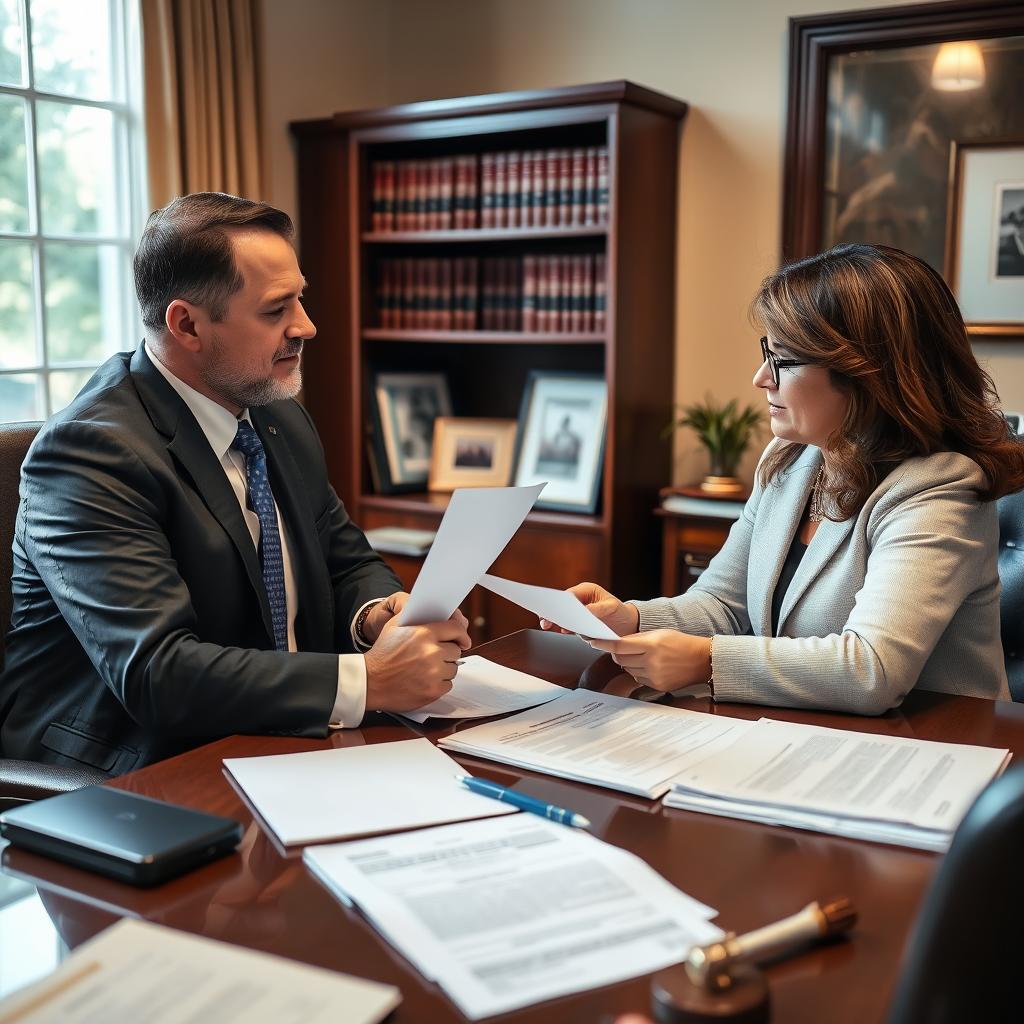
Royalty Agreement Lawyer Warren County, VA
You spent months negotiating a licensing deal for your intellectual property—a patent, a trademark, or proprietary software. The royalty agreement spelled out payment terms, audit rights, and territory restrictions. For a while, the checks arrived on time. Then they slowed. Then they stopped. The licensee is still selling your product, but you have not seen a royalty statement in months. That is a breach, and you are owed an accounting. Mr. Sris and his Of Counsel at Law Offices Of SRIS, P.C. represent businesses and individuals in royalty disputes across Warren County, including Front Royal and Linden. Reach our firm at (888) 437-7747 to discuss enforcement of your agreement. Law Offices Of SRIS, P.C. – Advocacy Without Borders.
Royalty Disputes in Warren County: Strategy for Enforcement
A royalty agreement is a contract. Virginia courts enforce contracts as written and apply the parol evidence rule strictly, meaning the written terms control. When a licensee underreports sales, stops paying, or uses intellectual property beyond the licensed scope, the licensor has claims for breach of contract, declaratory judgment, and in some cases, trade secret misappropriation under the Virginia Uniform Trade Secrets Act. Mr. Sris and his Of Counsel evaluate the royalty agreement, audit the payment history, and determine whether the breach is curable through a demand letter or requires litigation in the Warren County Circuit Court.
Many royalty disputes involve businesses located in different states. A licensee based elsewhere who entered into a contract with a Warren County licensor may be subject to jurisdiction in Virginia under the Commonwealth’s long-arm statute. The firm’s multi-state practice—admitted in Virginia, Maryland, the District of Columbia, New Jersey, and New York—positions Mr. Sris and his Of Counsel to pursue enforcement across jurisdictional lines when necessary. For cases filed in Warren County, the courthouse at 1 East Main Street in Front Royal is part of the Twenty-sixth Judicial District, and Mr. Sris and his firm are familiar with its procedures.
What to Expect in a Royalty Agreement Dispute
Most royalty enforcement matters begin with a formal demand letter. The letter identifies the breached provision, specifies the relief sought—typically an accounting of sales, payment of past-due royalties, and attorney fees if the contract allows them—and sets a deadline for compliance. In Virginia, breach of contract damages include compensatory and consequential damages; punitive damages are generally unavailable absent an independent tort. If the demand does not resolve the dispute, the next step is filing a Complaint in the General District Court for claims not exceeding the statutory threshold, or in the Circuit Court for claims above that amount.
Discovery in a royalty case often focuses on the licensee’s sales records, financial statements, and correspondence with third parties. Mr. Sris and his Of Counsel work with forensic accounting professionals when the dispute involves complex royalty calculations or suspected underreporting. Virginia’s discovery rules permit requests for production of documents, interrogatories, and depositions. The timeline for resolution varies by case complexity, the court’s calendar, and the parties’ willingness to negotiate. Many royalty disputes settle before trial, but preparations for litigation begin from the first client meeting.
A lawsuit for breach of a written royalty agreement in Virginia must be filed within five years of the breach under Va. Code § 8.01-246(2).
Source: Va. Code § 8.01-246. Virginia Code, limitations on contract actions
Reviewed by Mr. Sris, admitted in VA/MD/DC/NJ/NY.
Damages and Remedies in Virginia Royalty Cases
A prevailing plaintiff in a royalty dispute may recover compensatory damages measured by the royalties owed under the contract. Consequential damages—such as lost business opportunities resulting from the breach—may also be available if they were foreseeable at the time of contracting. Virginia law does not generally permit punitive damages for breach of contract claims, though a separate fraud claim, if supported by the facts, can open that door. Attorney fees are recoverable only when the royalty agreement contains a fee-shifting provision. Mr. Sris and his Of Counsel evaluate the contract’s remedy provisions early in the case to set realistic expectations about what a judgment or settlement can achieve.
In some licensing disputes, the licensor may seek injunctive relief—a court order directing the licensee to stop selling the licensed product or using the intellectual property. Virginia circuit courts have equitable authority to issue preliminary and permanent injunctions. A temporary injunction can be a powerful tool when continued unauthorized use threatens irreparable harm. The firm assesses whether the facts support emergency relief at the outset of the representation. Results may vary.
About Mr. Sris and the Firm’s Of Counsel Attorneys
Mr. Sris, Owner and Founder of Law Offices Of SRIS, P.C., has practiced since 1997. A former prosecutor, Mr. Sris brings trial experience to commercial litigation, including contract and royalty disputes. The firm’s Of Counsel attorneys contribute extensive combined legal experience across business law, contract enforcement, and commercial litigation. Collectively, Mr. Sris and his Of Counsel work to achieve favorable outcomes for clients in Warren County and throughout Virginia. Reach the firm’s Shenandoah/Woodstock Location at (888) 437-7747 to schedule a consultation.
Warren County General District Court is currently presided over by Hon. Amy B. Tisinger. Court hours: Mon-Fri 8:00AM-4:00PM. Counsel appearing on contract law matters should plan filings accordingly. The firm’s familiarity with the Twenty-sixth Judicial District provides clients with practical guidance on local court expectations.
Frequently Asked Questions
What can I do if a licensee stops paying royalties on my intellectual property?
You can send a formal demand letter and, if payment is not made, file a breach of contract lawsuit seeking compensatory damages and an accounting of sales. Virginia courts enforce written royalty agreements as binding contracts. The first step is typically a demand letter identifying the breach and requesting payment plus an audit of the licensee’s books. If the licensee does not cure the breach, litigation may be filed in the General District Court or Circuit Court depending on the amount in controversy. Mr. Sris and his Of Counsel evaluate the agreement’s audit rights, cure provisions, and dispute resolution clauses before recommending a course of action.
How long do I have to sue for unpaid royalties in Virginia?
For a written royalty agreement, the statute of limitations in Virginia is five years from the date of breach under Va. Code § 8.01-246(2). For oral contracts, the period is three years. The limitations clock typically starts when the licensee fails to make a required royalty payment. If the breach is ongoing—such as continued unauthorized use of intellectual property—each missed payment may constitute a separate breach with its own limitations period. Contact an attorney promptly to avoid losing the right to recover past-due amounts. For a consultation, reach Mr. Sris and his Of Counsel at (888) 437-7747.
Do royalty disputes go to trial in Warren County?
Many royalty disputes settle before trial, but the firm prepares every case as though trial is necessary. Settlement may occur after a demand letter, during discovery, or at mediation. Warren County Circuit Court handles cases where the amount in controversy exceeds the statutory threshold; smaller claims proceed in General District Court. The court’s calendar, the complexity of the royalty calculation, and the parties’ willingness to negotiate all influence whether a case reaches trial. Mr. Sris and his Of Counsel pursue settlement when it serves the client’s interests while building the evidentiary record for trial.
Can I get attorney fees if I win a royalty lawsuit?
Attorney fees are recoverable in Virginia only if the royalty agreement contains a fee-shifting provision. Unlike some other states, Virginia follows the American Rule: each party pays its own attorney fees unless a statute or contract provides otherwise. A well-drafted royalty agreement typically includes a clause permitting the prevailing party to recover reasonable attorney fees and costs. If your agreement lacks such language, fees may still be recoverable if the licensee’s conduct supports a separate claim under a fee-shifting statute. Mr. Sris and his Of Counsel review the contract’s fee provisions during the initial case evaluation.
What if the licensee is based outside Virginia?
A non-resident licensee who enters into a contract with a Virginia business may be subject to jurisdiction in Virginia courts under the Commonwealth’s long-arm statute. Mr. Sris and his firm practice across five jurisdictions—Virginia, Maryland, the District of Columbia, New Jersey, and New York—and can evaluate whether the licensee has sufficient contacts with Virginia to support personal jurisdiction. If the licensee is located in a state where the firm is admitted, enforcement options expand. When the licensee is outside these five jurisdictions, the firm works with local counsel as needed.
What evidence do I need to prove a royalty underpayment?
You will need the signed royalty agreement, payment records, correspondence with the licensee, and any sales or usage data you can obtain. Royalty agreements often include audit rights that allow the licensor to inspect the licensee’s books and records. If the licensee refuses an audit, a court may compel discovery of financial documents during litigation. Forensic accounting professionals can analyze sales data and identify discrepancies between reported and actual usage. Mr. Sris and his Of Counsel help clients assemble the documentary record and identify the most effective evidence strategy.
How does a royalty dispute differ from other contract cases?
Royalty disputes often involve ongoing obligations, intellectual property rights, and complex damages calculations that distinguish them from simpler contract claims. Unlike a one-time goods contract where damages can be calculated at breach, royalty agreements typically contemplate payments over time. Damages may require projections of future sales, analysis of market conditions, and expert testimony on industry royalty rates. Virginia courts treat royalty agreements as contracts governed by standard contract law principles, but the factual complexity of these cases often rewards experienced counsel. To discuss the details of your matter, contact Law Offices Of SRIS, P.C. at (888) 437-7747.
Can a royalty agreement be enforced if it was never signed?
An unsigned agreement may be enforceable if the parties’ conduct shows mutual assent to its terms, but enforcement is more difficult than with a signed contract. Virginia recognizes oral contracts and contracts implied in fact from the parties’ behavior. However, oral contracts have a shorter three-year statute of limitations, and proving the specific royalty terms without a written document presents evidentiary challenges. Email exchanges, partial performance, and payment history can serve as evidence of the agreement’s existence and terms. Mr. Sris and his Of Counsel evaluate the available documentation to determine whether an enforceable contract exists under Virginia law.
What should I bring to a consultation about a royalty dispute?
Bring the royalty agreement, any amendments or addenda, payment records, correspondence with the licensee, and a timeline of events. If the agreement references intellectual property—such as patent numbers, trademark registrations, or copyright certificates—bring those documents as well. The more complete the documentary record, the more efficiently Mr. Sris and his Of Counsel can evaluate the strength of your claim, the likely damages, and the trusted strategy for enforcement. For guidance on your specific situation, reach Law Offices Of SRIS, P.C. at (888) 437-7747.
Does filing a lawsuit mean the licensee will stop using my intellectual property?
Not automatically—but a court may issue an injunction ordering the licensee to stop if continued use threatens irreparable harm and you are likely to succeed on the merits. A preliminary injunction is an extraordinary remedy in Virginia, requiring a showing of irreparable injury, likelihood of success on the merits, and a balancing of the equities. In royalty cases, irreparable harm may exist if the licensee’s unauthorized use damages the licensor’s brand, market position, or ability to license the property to others. Mr. Sris and his Of Counsel assess whether the facts support emergency injunctive relief at the outset of each case.
For a full statutory breakdown of Virginia contract law, see our comprehensive analysis on srislawyer.com.
Speak with a Royalty Agreement Lawyer Serving Warren County
Royalty disputes require careful contract analysis, a clear understanding of Virginia commercial litigation procedure, and—when negotiations fail—a willingness to try the case. Mr. Sris, Owner and Founder of Law Offices Of SRIS, P.C., and the firm’s Of Counsel attorneys bring extensive combined legal experience to royalty enforcement matters. Contact the firm at (888) 437-7747 to request a consultation. The firm’s Shenandoah/Woodstock Location serves clients throughout Warren County, including Front Royal and Linden. By appointment. Call (888) 437-7747 to schedule.
Outbound Primary-Source Authority
Virginia Code Title 13.1 — Corporations and Business Associations |
SCC Business Entity Filings |
Virginia Judicial System
Attorney advertising. Prior results do not guarantee a similar outcome. Results may vary. Case results depend on a variety of factors unique to each case.