
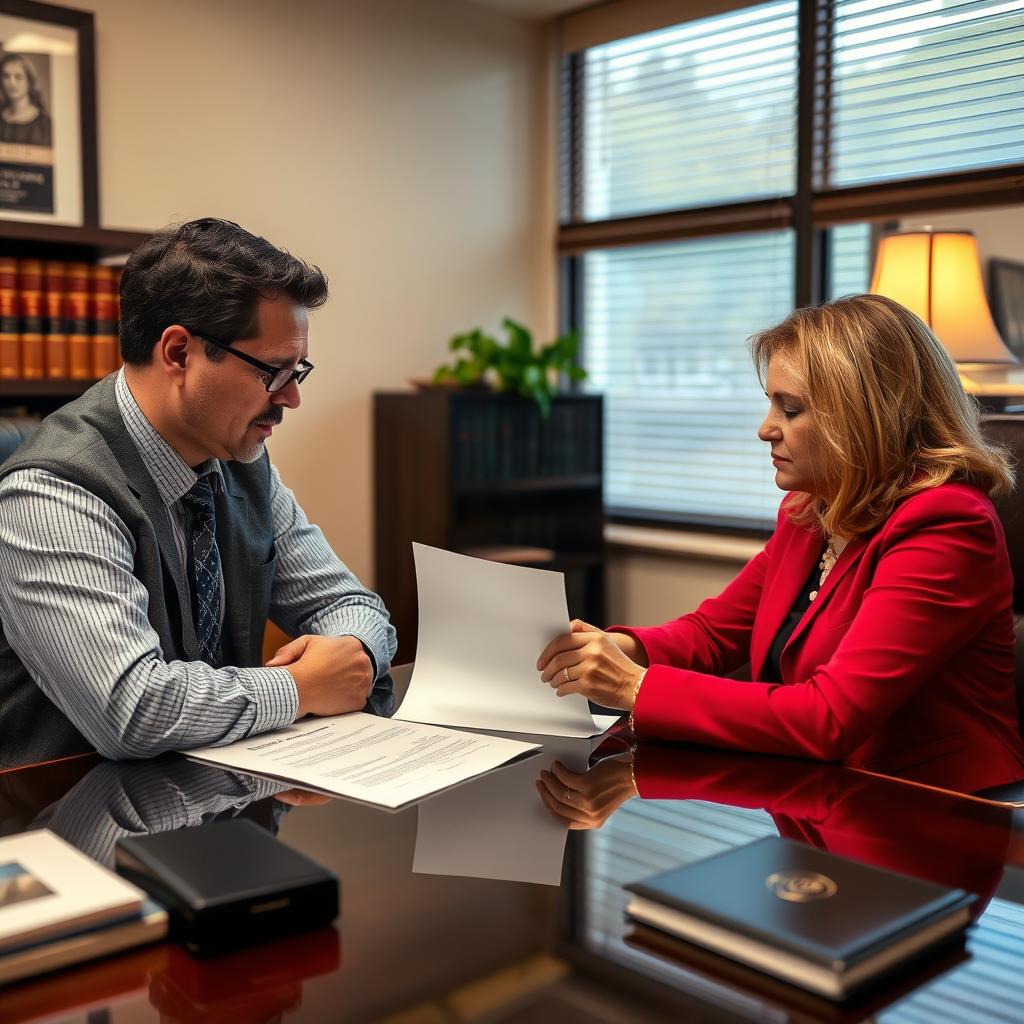
Licensing Agreement Lawyer Monmouth County, NJ
A well‑structured licensing agreement allows a business to grant another party the right to use intellectual property, technology, or a brand while protecting the owner’s interests. When a dispute arises over royalties, scope of use, termination, or exclusivity in Monmouth County, New Jersey, the matter may proceed in the Superior Court of New Jersey, Monmouth Vicinage. The litigation track depends on the amount in controversy—claims within the monetary limit of the Special Civil Part are heard there, while larger matters proceed in the Law Division – Civil Part, both located at 71 Monument Park in Freehold. Mr. Sris and the firm’s Of Counsel attorneys represent businesses and individuals in licensing agreement disputes, from pre‑suit negotiation through trial. Whether you are a licensor seeking to enforce royalty obligations or a licensee defending against a claimed breach, an experienced attorney can evaluate the agreement, identify the governing law, and pursue a resolution consistent with your commercial objectives. To discuss a licensing agreement matter in Monmouth County, reach Law Offices Of SRIS, P.C. at (888) 437‑7747. Law Offices Of SRIS, P.C. – Advocacy Without Borders.
What a Licensing Agreement Means in Monmouth County
New Jersey contract law, including the New Jersey Uniform Commercial Code (N.J.S.A. 12A:1‑101 et seq.), governs licensing agreements that involve the sale or lease of goods. Pure intellectual property licenses rest on common‑law contract principles, interpreted under New Jersey’s objective theory of contracts. The Superior Court, Law Division – Civil Part decides disputes that cannot be resolved through negotiation. Monmouth County businesses that license software, trademarks, patented processes, or franchise rights need agreements that clearly define permitted use, territory, royalties, and grounds for termination. Ambiguity in these terms frequently leads to litigation.
Claims for breach of a written licensing agreement must be filed within six years, as set forth in N.J.S.A. 2A:14‑1. The Special Civil Part handles disputes within the monetary limit of the Special Civil Part, while the Law Division – Civil Part hears cases exceeding that limit. Mandatory non‑binding arbitration applies to many Law Division matters, and the court may refer cases to an early settlement panel. The Monmouth Vicinage serves communities from Freehold to Long Branch, Red Bank, and beyond, and has a well‑established civil docket for commercial disputes. Mr. Sris and the firm’s Of Counsel attorneys are familiar with the procedural expectations of this vicinage and work to position licensing cases for a favorable resolution, whether through motion practice, settlement, or trial.
How Mr. Sris and the Firm’s Of Counsel Attorneys Approach Licensing Agreement Matters
The firm’s approach to licensing disputes starts with a thorough contract analysis. Mr. Sris and the firm’s Of Counsel attorneys review the agreement’s terms, the factual history of performance, and any correspondence between the parties. They examine whether a breach occurred, whether any defenses—such as waiver, modification, or impossibility—apply, and what damages or equitable remedies the client may seek. In many cases, a demand letter that sets out the legal and factual basis for the claim can lead to a negotiated resolution without protracted litigation.
When negotiation does not produce a satisfactory result, the firm is prepared to litigate in the Superior Court of New Jersey, Monmouth Vicinage. The attorneys handle pleadings, discovery, and motion practice, including summary judgment motions that can resolve cases on the merits before trial. If the value of the claim falls within the Special Civil Part’s jurisdiction, the firm’s counsel will also guide clients through the streamlined procedures of that division. Throughout the process, Mr. Sris and the firm’s Of Counsel attorneys work to protect the client’s intellectual property and financial interests while pursuing an efficient resolution.
Mr. Sris and the Firm’s Of Counsel Attorneys
Mr. Sris, Owner and Founder of Law Offices Of SRIS, P.C., has practiced since 1997 and is admitted in Virginia, Maryland, the District of Columbia, New Jersey, and New York. A former prosecutor, he brings extensive experience in trial advocacy and legal strategy to commercial litigation matters. Mr. Sris testified before the Virginia House Courts of Justice Committee in support of 2019 HB 635 (chief patron Del. David Bulova). He concentrates his practice on contract disputes, including licensing agreement litigation, and personally oversees the firm’s commercial docket.
Mr. Sris and the firm’s Of Counsel attorneys bring extensive combined legal experience to licensing agreement matters. Results may vary. The firm’s Of Counsel attorneys are independent practitioners who collaborate with Mr. Sris on complex commercial cases. Together, they provide representation to clients in Monmouth County and throughout New Jersey, offering a multi‑state perspective that can be particularly valuable when a licensing dispute involves parties or assets in multiple jurisdictions. For a consultation about a licensing agreement issue, contact Law Offices Of SRIS, P.C. at (888) 437‑7747.
Frequently Asked Questions
What is a licensing agreement?
A licensing agreement grants one party the right to use another party’s intellectual property—such as a patent, trademark, software, or trade secret—under specified conditions, usually in exchange for royalty payments. These agreements define the scope of permitted use, territorial restrictions, exclusivity, duration, and termination provisions. When a party exceeds the granted rights or fails to pay royalties, a breach of contract claim may arise. New Jersey courts enforce licensing agreements according to their plain language, applying standard contract interpretation principles.
Do I need a lawyer for a licensing agreement dispute in Monmouth County?
You are not legally required to have a lawyer to pursue or defend a licensing agreement claim in New Jersey, but an experienced attorney can help evaluate the strength of your case, navigate procedural rules, and work toward a favorable resolution. The Superior Court, Law Division – Civil Part has specific pleading requirements, and the Special Civil Part’s streamlined procedures still demand careful compliance. A lawyer can also negotiate a settlement before litigation becomes necessary. To discuss your situation, reach Law Offices Of SRIS, P.C. at (888) 437‑7747.
What is the statute of limitations for a licensing agreement claim in New Jersey?
A claim for breach of a written licensing agreement in New Jersey must be filed within six years from the date the breach occurred, under N.J.S.A. 2A:14‑1. If the agreement is oral, the same six‑year period applies. The clock typically begins when one party fails to perform an obligation under the contract. Because the precise accrual date can be fact‑dependent, consulting an attorney promptly is advisable to avoid losing the right to sue.
How are licensing agreement disputes resolved in New Jersey?
Licensing agreement disputes in New Jersey may be resolved through negotiation, mediation, arbitration, or litigation in the Superior Court. Many contracts include an alternative dispute resolution clause. If no such clause applies, the case proceeds through the civil court system. In the Law Division – Civil Part, mandatory non‑binding arbitration is often required before trial. The Special Civil Part handles lower‑value claims with simpler procedures. Early settlement conferences are also available in Monmouth County.
What court handles licensing agreement disputes in Monmouth County?
Licensing agreement disputes in Monmouth County are heard in the Superior Court of New Jersey, Monmouth Vicinage, located at 71 Monument Park, Freehold, NJ 07728. If the claim amount falls within the monetary limit of the Special Civil Part, the case is filed there. Claims exceeding that limit proceed in the Law Division – Civil Part. The Law Division provides full discovery and motion practice, while the Special Civil Part offers a faster, less formal process. An attorney can advise which division is appropriate for your claim.
Attorney advertising. Prior results do not guarantee a similar outcome.
Attorney responsible for this advertising: Mr. Sris.
Results may vary.
Case results depend on a variety of factors unique to each case.