
Indemnity Lawyer Culpeper County, VA
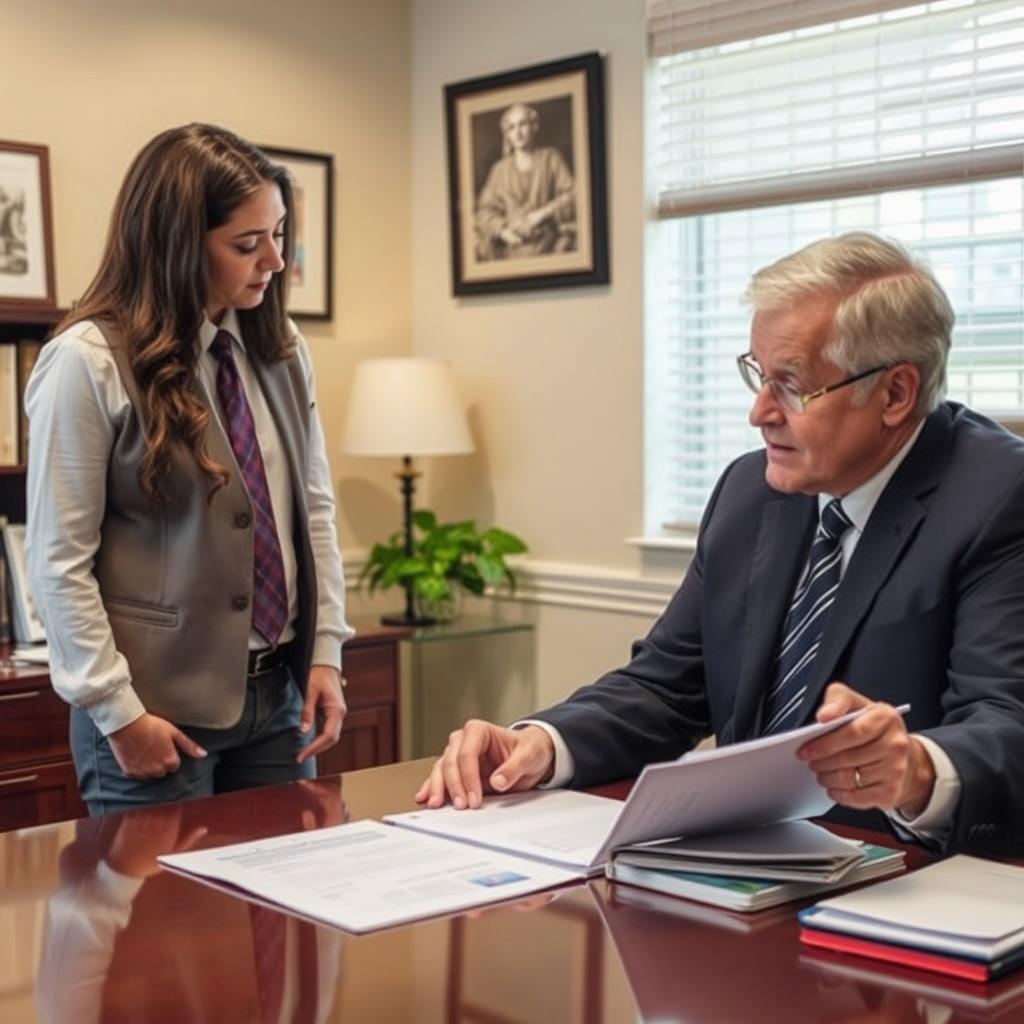
A commercial trucking company based off Route 29 in Culpeper County receives a demand letter. A subcontractor’s employee was injured at a loading dock, and the project’s general contractor is demanding the trucking company cover the medical bills — citing an indemnity clause in the service agreement the company signed six months ago. The owner is unsure whether the clause is enforceable or the demand is reasonable. The company’s next call is to an experienced contract lawyer who handles indemnity disputes in Culpeper County and throughout Virginia. Law Offices Of SRIS, P.C. – Advocacy Without Borders.
Strategy Options for Indemnity Disputes
Indemnity obligations arise in many Virginia business relationships — construction contracts, service agreements, distribution deals, and real estate transactions. A party who agrees to indemnify another assumes responsibility for certain losses, damages, or liabilities that may arise from the underlying business activity. When a dispute develops, the first strategic decision is whether the indemnity provision is enforceable as written. Virginia courts interpret contracts strictly and enforce clear, unambiguous terms. If the language is overly broad or conflicts with statutory limitations — such as Va. Code § 11-4.1, which restricts certain construction indemnification clauses — the obligation may be challenged. Evaluating the contract’s formation, consideration, and the circumstances of the underlying claim shapes the initial strategy.
Another practical consideration is timing. Written contracts in Virginia are subject to a five-year statute of limitations (Va. Code § 8.01-246), while oral agreements carry a three-year limit (Va. Code § 8.01-248). An indemnity demand made years after the event may be time-barred. Mr. Sris and his Of Counsel examine all deadlines and procedural defenses before framing a response or affirmative claim.
What to Expect During an Indemnity Dispute
An indemnity dispute typically begins with a demand letter from the party seeking coverage or reimbursement. The recipient should avoid making admissions or partial payments without legal review, as those actions can inadvertently validate an otherwise questionable claim. The next phase often involves an exchange of correspondence and preservation of relevant documents — contracts, correspondence, payment records, and incident reports. In many cases, the parties attempt to resolve the matter through negotiation before formal litigation begins.
If negotiations do not produce a resolution, a lawsuit may be filed in the appropriate Virginia court. In Culpeper County, civil claims are filed in the General District Court for claims within its jurisdiction, or in the Culpeper County Circuit Court for higher amounts or when equitable relief is sought. The court procedures include pleadings, written discovery, depositions, and possibly a trial. Throughout this process, a party facing or pursuing an indemnity claim benefits from counsel who can evaluate the contractual language, marshal evidence, and present the case effectively.
Potential Outcomes in Indemnity Cases
The financial consequences of an indemnity dispute can be substantial. A party found responsible under an indemnity clause may be required to pay the other party’s losses, legal fees, and settlement costs, depending on the contract language. In some instances, a defendant may also face liability for post-judgment interest. However, Virginia courts generally do not award punitive damages in breach-of-contract actions unless independent tort liability is established. The outcome often turns on the clarity of the contract, the conduct of the parties, and the strength of the evidentiary record.
Because each indemnity case depends on specific facts and legal arguments, the range of possible results varies. A favorable resolution may include a negotiated settlement, a court-ordered dismissal of the indemnity demand, or a judgment limiting the scope of the obligation. Mr. Sris and his Of Counsel work to achieve outcomes that protect the client’s financial interests and future business relationships. Results may vary.
Experienced Legal Guidance from Mr. Sris and His Of Counsel
Mr. Sris, Owner and Founder of Law Offices Of SRIS, P.C., has practiced law since 1997 and is a former prosecutor. His background in courtroom advocacy and his understanding of Virginia’s legal framework guide the firm’s approach to contract and indemnity disputes. Mr. Sris and his Of Counsel bring over 120 years of combined legal experience to each matter, achieving over 4,739 documented firm-wide results, drawing on deep familiarity with Virginia courts and business litigation. Results may vary.
The firm’s attorneys are admitted in Virginia, Maryland, the District of Columbia, New Jersey, and New York — a multi-state reach that serves businesses with cross-border relationships. The Fairfax Location at 4008 Williamsburg Court, Fairfax, VA 22032 handles Culpeper County matters by appointment. Staff includes professionals who speak English, Spanish, Tamil, French, and Portuguese. To request a consultation, call (888) 437-7747.
Frequently Asked Questions
What can I do if someone demands indemnification from my Culpeper County business?
You should not agree to the demand or pay anything before an attorney reviews the contract and the circumstances of the claim. An indemnity clause may be unenforceable if the language is ambiguous, violates Virginia law, or if the underlying loss falls outside the contract’s scope. Mr. Sris and his Of Counsel can assess the obligation, advise on potential defenses, and negotiate with the demanding party. The response may include a denial letter, a settlement discussion, or — if necessary — litigation in the Culpeper County General District Court or Circuit Court. Early legal review often prevents escalation and protects your interests.
Does Virginia law limit how much an indemnity clause can require me to pay?
Virginia enforces indemnity clauses that are clear and unambiguous, but statutory limits may apply in certain industries. For construction contracts, Va. Code § 11-4.1 restricts provisions that require a subcontractor to indemnify a contractor for the contractor’s own negligence. Outside that context, the courts look to the plain language of the agreement, the parties’ intent, and the actual damages. An experienced attorney can analyze whether the clause is enforceable and whether any common-law defenses — like unconscionability or mistake — might reduce your exposure.
How long do I have to pursue or defend an indemnity case in Virginia?
The statute of limitations depends on whether the indemnity obligation is based on a written or oral contract. A claim under a written contract must be filed within five years (Va. Code § 8.01-246); an oral contract has a three-year limit (Va. Code § 8.01-248). The clock generally starts when the breach occurs. If the demand involves an underlying injury, separate personal-injury limitations may apply. Acting quickly is important because delay can weaken defenses and evidence. Contact an attorney as soon as a dispute arises to preserve your rights.
Will my indemnity dispute go to trial?
Many indemnity disputes are resolved through negotiation or settlement before a trial takes place. The parties often have an interest in avoiding the cost and publicity of litigation. If a settlement is not feasible, the case may proceed through discovery and motions practice. In the Culpeper County Circuit Court, the trial timeline depends on the court’s calendar and the complexity of the matter. Mr. Sris and his Of Counsel prepare each case thoroughly, whether the likely outcome is a negotiated resolution or a full trial.
What types of businesses most commonly need an indemnity lawyer in Culpeper County?
Construction contractors, subcontractors, trucking companies, and commercial landlords regularly confront indemnity issues. Any business that signs service agreements, supply contracts, or lease agreements may face demands for indemnification after an accident, property damage, or a third-party claim. Culpeper County’s location along Route 29 and Route 3 means many businesses are involved in regional commerce that generates multi‑party contracts. Reviewing contract terms before signing can help avoid disputes later.
Do I need a lawyer for an indemnity demand that seems small?
Even a seemingly modest demand can carry hidden risks, including legal fees, future claims, and damage to business relationships. A short consultation allows an attorney to assess whether the demand is legally valid and whether the contract language really obligates you to pay. Without legal review, you might inadvertently set a precedent that could be used against you in later disputes. The initial consultation provides clarity on the merits and helps you decide how to proceed.
How does Mr. Sris’s team approach an indemnity case?
Mr. Sris and his Of Counsel begin with a detailed review of the contract, the facts of the underlying incident, and any prior communications. They identify potential procedural defenses, evaluate enforceability under Virginia law, and develop a strategy — whether that means negotiating a swift settlement, sending a strong denial letter, or preparing for litigation. The team’s collective experience, including Mr. Sris’s background as a former prosecutor, provides insight into how disputes unfold in court and before state agencies.
Can an indemnity lawyer help me draft a better contract to avoid future disputes?
Yes — Mr. Sris and his Of Counsel assist with drafting and reviewing contracts to limit unnecessary indemnity exposure. Clear, well‑defined indemnity provisions tailored to the specific transaction can reduce the likelihood of disputes and provide clarity if a claim arises. The firm reviews existing template agreements and can negotiate revisions before you sign. This proactive approach often saves significant expense compared to litigating a vaguely worded clause after an incident.
To discuss your indemnity situation with an experienced contract attorney, call (888) 437-7747 or reach our Fairfax Location at 4008 Williamsburg Court, Fairfax, VA 22032. Consultations are by appointment. Contact us online.
Case results depend on a variety of factors unique to each case.