
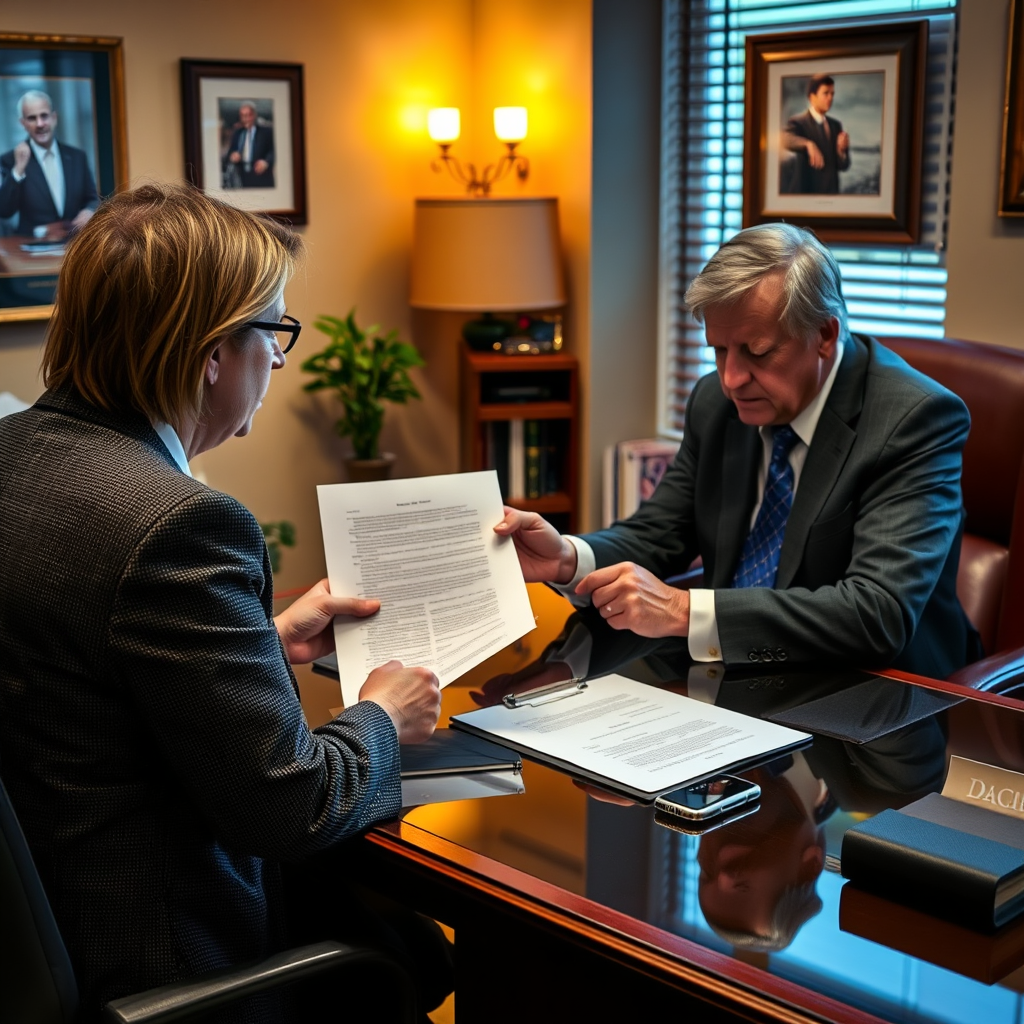
Crafting Rock-Solid Contracts in Virginia: Your Guide to Business Protection
As of December 2025, the following information applies. In Virginia, contract drafting services involve creating legally sound agreements tailored to your specific needs, protecting your interests and minimizing future disputes. This includes custom contracts for businesses, real estate, employment, and more. The Law Offices Of SRIS, P.C. provides dedicated legal defense for these matters.
Confirmed by Law Offices Of SRIS, P.C.
What are Contract Drafting Services in Virginia?
Imagine you’re building a house. You wouldn’t just throw some bricks and wood together and hope for the best, right? You’d need precise blueprints, designed by someone who understands how to make a structure stand strong. Contract drafting services in Virginia are much the same, but for your legal and business agreements. They involve a knowledgeable attorney carefully creating, reviewing, and tailoring legal documents that clearly define the terms, conditions, and obligations between parties. Whether it’s for a small business venture, an independent contractor agreement, a real estate transaction, or a corporate merger, a well-drafted contract serves as your foundational blueprint, preventing misunderstandings and providing a clear path forward if disagreements arise. It’s about setting clear expectations upfront, securing your position, and ensuring your rights are protected under Virginia law. This isn’t just about putting words on paper; it’s about translating your intentions and the specifics of your situation into a legally enforceable document that anticipates potential issues and provides remedies.
A contract isn’t merely a formality; it’s a dynamic tool designed to safeguard your interests, mitigate risks, and establish a framework for successful interactions. In Virginia, where business and personal transactions are governed by specific state statutes and common law principles, having a contract that is meticulously prepared and legally compliant is essential. An experienced contract lawyer understands the nuances of local regulations, ensuring that your agreement aligns with all legal requirements and is enforceable in court should the need ever arise. This proactive approach saves you time, money, and stress in the long run by addressing potential pitfalls before they escalate into costly legal battles. From simple service agreements to intricate partnership deeds, contract drafting services are about ensuring peace of mind and robust legal protection for every significant arrangement you undertake.
Think of it this way: a good contract is like having a sturdy umbrella before the rain even starts. You might not need it every day, but when the storm hits, you’ll be profoundly grateful you have it. In the Virginia business climate, where agreements underpin nearly every transaction, the value of a precisely drafted contract cannot be overstated. It outlines responsibilities, defines deliverables, sets payment terms, and perhaps most importantly, provides mechanisms for dispute resolution. Without this clarity, parties often find themselves in ambiguous situations, leading to disagreements that can quickly erode trust, damage relationships, and incur significant legal costs. Getting it right at the beginning means you can focus on your business or personal goals with confidence, knowing your legal framework is sound. It’s about building a solid legal foundation that supports your ambitions, rather than one that crumbles under pressure.
Takeaway Summary: Contract drafting services in Virginia involve attorneys creating legally sound, customized agreements to protect your interests and prevent disputes. (Confirmed by Law Offices Of SRIS, P.C.)
How to Secure a Rock-Solid Custom Contract for Your Business in Virginia?
Getting a contract that truly works for you and your Virginia business requires a thoughtful, collaborative process. It’s not a one-size-fits-all situation; every agreement has unique elements that demand careful attention. Here’s a practical guide on how to go about securing a custom contract that provides robust protection and clarity for your ventures.
Define Your Needs and Objectives Clearly
Before you even think about engaging a lawyer, take some time to outline what you need the contract to achieve. Who are the parties involved? What specific services or goods are being exchanged? What are the payment terms, deadlines, and deliverables? What are your biggest concerns or potential risks you want to avoid? The more clarity you have on these points, the better your attorney can tailor the document to your exact situation. Think about the “what-ifs” – what if a party fails to perform? What if there’s a disagreement about quality? Having a clear vision of your goals and potential challenges will streamline the drafting process and result in a more effective agreement. This initial introspection is vital; it’s your chance to lay out every expectation and every concern you have about the upcoming agreement. Don’t hold back on details, no matter how small they seem, as often the smallest details can have the largest legal ramifications down the line.
Gather All Relevant Information and Documentation
Once you’ve defined your needs, compile all existing documents, communications, and data related to the agreement. This might include emails, previous agreements, proposals, invoices, or any other written records that shed light on the transaction. For instance, if you’re drafting an employment contract, gather job descriptions, compensation details, and company policies. For a vendor agreement, have details on pricing, delivery schedules, and product specifications ready. Providing your attorney with a comprehensive packet of information up front reduces back-and-forth and helps them grasp the full scope of your situation quickly. The better organized and more thorough your initial submission, the more efficiently your legal team can begin working on your behalf. This step is about providing the foundation upon which your custom contract will be built, ensuring no critical piece of information is overlooked.
Engage Knowledgeable Legal Counsel in Virginia
This is where the Law Offices Of SRIS, P.C. comes in. It’s absolutely essential to engage a seasoned contract lawyer who understands Virginia state laws, regulations, and judicial interpretations. A general practitioner might be able to draft a basic contract, but a lawyer with a deep understanding of contract law in Virginia can anticipate specific issues, incorporate necessary clauses, and ensure the document is legally sound and enforceable. Look for a firm that has a track record of representing businesses and individuals in contract matters within the Commonwealth. Your lawyer isn’t just a wordsmith; they’re your strategic partner, offering advice that considers not only the legal aspects but also the practical implications for your business. Choosing the right legal partner means gaining access to insights that protect your future interests, not just addressing current needs. A knowledgeable attorney brings not just legal acumen, but also a strategic perspective forged from years of experience in similar matters, ensuring your contract is both robust and practical.
Collaborate Closely During the Drafting Process
Contract drafting isn’t a passive process where you hand over your information and wait for a finished product. It’s a collaboration. Your attorney will likely prepare an initial draft based on your input. It’s your role to review this draft carefully, ask questions, and provide feedback. Don’t be afraid to voice concerns or suggest changes. A good contract lawyer welcomes your input because it helps them refine the document to perfectly align with your vision and protect your interests. This back-and-forth ensures that the final document accurately reflects the intentions of all parties and addresses all potential contingencies. Remember, this contract is for you, so your active participation is incredibly valuable. This collaborative effort ensures the document is a true reflection of your business needs and legal aspirations, making it a stronger, more effective tool.
Thorough Review and Refinement of All Clauses
Once you have a draft you’re mostly happy with, it’s time for a meticulous review. This isn’t a quick read; it’s a detailed examination of every clause, term, and condition. Pay close attention to definitions, scope of work, payment schedules, termination clauses, dispute resolution mechanisms, and confidentiality provisions. Ensure there are no ambiguities and that the language is clear and unambiguous. Your attorney will help you understand the legal implications of each section. This stage is about fine-tuning, closing any potential loopholes, and making sure the contract is as airtight as possible. It’s better to spend extra time here refining the language than to face a costly dispute later because of a poorly worded clause. This diligence is your final line of defense, guaranteeing the contract’s integrity and its ability to withstand scrutiny.
Proper Execution and Ongoing Management
After all revisions are complete and both parties are satisfied, the contract must be properly executed. This typically means signing and dating the document in accordance with legal requirements. In some cases, notarization or witnesses might be necessary. Once executed, it’s not enough to just file it away. Understand your ongoing obligations under the contract and ensure that all parties adhere to its terms. Keep a secure copy of the fully executed agreement and any related correspondence. Should circumstances change, or if a dispute arises, having a clear, well-managed contract will be invaluable. Proper execution ensures the contract is legally binding, and effective management ensures it remains a living, working document that serves its intended purpose throughout its duration.
Can a Poorly Drafted Contract Sink Your Virginia Business?
Absolutely. A poorly drafted contract isn’t just a minor inconvenience; it can be a significant liability that puts your entire business at risk. Think of it as a boat with too many leaks – eventually, it’s going to go down. In the world of business, those “leaks” come in the form of ambiguous language, missing clauses, unenforceable terms, or a lack of clarity regarding responsibilities and remedies. When disputes arise, and they almost certainly will at some point, a weak contract offers little to no protection, leaving you vulnerable to financial losses, damaged reputation, and protracted legal battles.
One common pitfall is relying on generic templates found online. While these might seem like a quick and affordable solution, they rarely account for the specific nuances of Virginia law or the unique aspects of your business and transaction. What works for a business in California might be entirely invalid or insufficient in the Commonwealth of Virginia. Such contracts often lack essential clauses related to dispute resolution specific to Virginia courts, or they might fail to define key terms, leading to costly interpretations down the line. Moreover, they rarely consider the unique bargaining power or specific risks associated with your particular industry or business model.
Another danger lies in contracts that fail to adequately define the scope of work, payment terms, or intellectual property rights. Without clear definitions, you could end up providing more services than agreed upon without additional compensation, or worse, losing rights to your own creations. Imagine a scenario where a vendor contract doesn’t specify performance metrics. You might pay for substandard work with no recourse. Or, an employment agreement without a clear non-compete clause could allow a former employee to immediately take your client list to a competitor, severely impacting your revenue. These aren’t just hypothetical situations; they are real-world problems that businesses in Virginia face daily because of inadequate legal documentation.
The financial repercussions can be staggering. Legal fees, settlement costs, and potential judgments can quickly drain a company’s resources. Beyond the direct financial hit, there’s the immeasurable cost of lost time, diverted focus from core business operations, and the reputational damage that comes with public disputes. Furthermore, weak contracts can scare away potential investors or partners who see the lack of legal rigor as a sign of an unstable business. Protecting your Virginia business from these very real threats begins with investing in carefully drafted, custom contracts that are designed to stand up to scrutiny and provide clear pathways for resolution, rather than creating confusion.
Why Hire Law Offices Of SRIS, P.C. for Your Virginia Contract Drafting Needs?
When your business or personal agreements hang in the balance, you need more than just a document preparer; you need an advocate who understands the stakes. At the Law Offices Of SRIS, P.C., we approach contract drafting not just as a legal task, but as a strategic defense for your future. Our firm is deeply rooted in Virginia, possessing a thorough understanding of the state’s specific contract laws and business environment.
Mr. Sris, the seasoned founder of our firm, brings a unique perspective to every legal challenge. As he puts it, “My focus since founding the firm in 1997 has always been directed towards personally managing the most challenging criminal and family law matters our clients face.” This dedication to taking on intricate legal matters extends directly to our approach to contract law. We apply the same rigorous attention to detail and strategic foresight to ensure your contracts are not just compliant, but also powerfully protective of your interests. We don’t just draft; we strategically build your legal safeguards.
We understand that every business and individual has distinct needs, which is why we never resort to generic, one-size-fits-all solutions. Our approach involves a confidential case review where we listen intently to your objectives, assess potential risks, and then meticulously craft agreements that are custom-tailored to your precise situation. Whether you need an independent contractor agreement, a complex partnership agreement, a non-disclosure agreement, or any other commercial contract, our goal is to provide you with a document that offers maximum clarity and legal enforceability under Virginia law.
Opting for the Law Offices Of SRIS, P.C. means choosing a firm that combines experienced legal insight with a commitment to client-focused service. We aim to demystify the legal process, providing you with direct, reassuring advice every step of the way. Our objective is to not only mitigate your risks but to empower your ventures with robust legal backing, allowing you to move forward with confidence and peace of mind. We’re here to help you prevent future disputes by getting your agreements right from the start.
Law Offices Of SRIS, P.C. has locations in Virginia, including our location in Fairfax at:
4008 Williamsburg Court, Fairfax, VA, 22032, US
Phone: +1-703-636-5417
Call now for a confidential case review to discuss your contract drafting needs in Virginia.
Frequently Asked Questions About Contract Drafting Services in Virginia
Q1: Why can’t I just use a contract template I found online?
Online templates are rarely tailored to Virginia-specific laws or your unique business needs. They often lack crucial clauses, leading to ambiguities and potential unenforceability. A custom contract from a Virginia attorney provides much stronger legal protection and clarity for your specific situation.
Q2: What types of contracts can Law Offices Of SRIS, P.C. help me draft?
We assist with a wide range of contracts, including employment agreements, independent contractor agreements, vendor contracts, partnership agreements, non-disclosure agreements (NDAs), real estate contracts, service agreements, and many other business and personal legal documents tailored to Virginia law.
Q3: How long does the contract drafting process usually take?
The timeline varies depending on the contract’s complexity and your responsiveness. Simple contracts might be drafted relatively quickly, while more intricate agreements involving multiple parties and detailed negotiations can take longer. We work efficiently while ensuring thoroughness.
Q4: What information do I need to provide to my attorney for contract drafting?
You should provide all relevant details, including the parties involved, the scope of the agreement, key terms, payment structures, deadlines, and any specific concerns or objectives you have. Thorough information helps us create a precise and effective document.
Q5: Is contract drafting only for large businesses?
Not at all. Businesses of all sizes, and even individuals, benefit immensely from well-drafted contracts. Small businesses often have even greater exposure to risk, making solid agreements essential for protecting their assets and ensuring smooth operations in Virginia.
Q6: Can a contract be changed after it’s been signed?
Generally, a contract can only be changed after signing if all parties agree to the modifications. These changes, known as amendments, should also be put in writing and signed by all parties to maintain legal enforceability and prevent future misunderstandings.
Q7: What happens if a party breaches a contract in Virginia?
If a contract is breached, the non-breaching party may have legal remedies, such as seeking monetary damages, specific performance, or contract termination. A well-drafted contract will outline the consequences of a breach and the available remedies under Virginia law.
Q8: How often should I review my existing contracts?
It’s advisable to review your contracts periodically, especially if there are significant changes in your business operations, legal requirements, or market conditions. An annual review or a review every few years can ensure your agreements remain relevant and protective.
The Law Offices Of SRIS, P.C. has locations in Virginia in Fairfax, Loudoun, Arlington, Shenandoah and Richmond. In Maryland, our location is in Rockville. In New York, we have a location in Buffalo. In New Jersey, we have a location in Tinton Falls.
Past results do not predict future outcomes.