
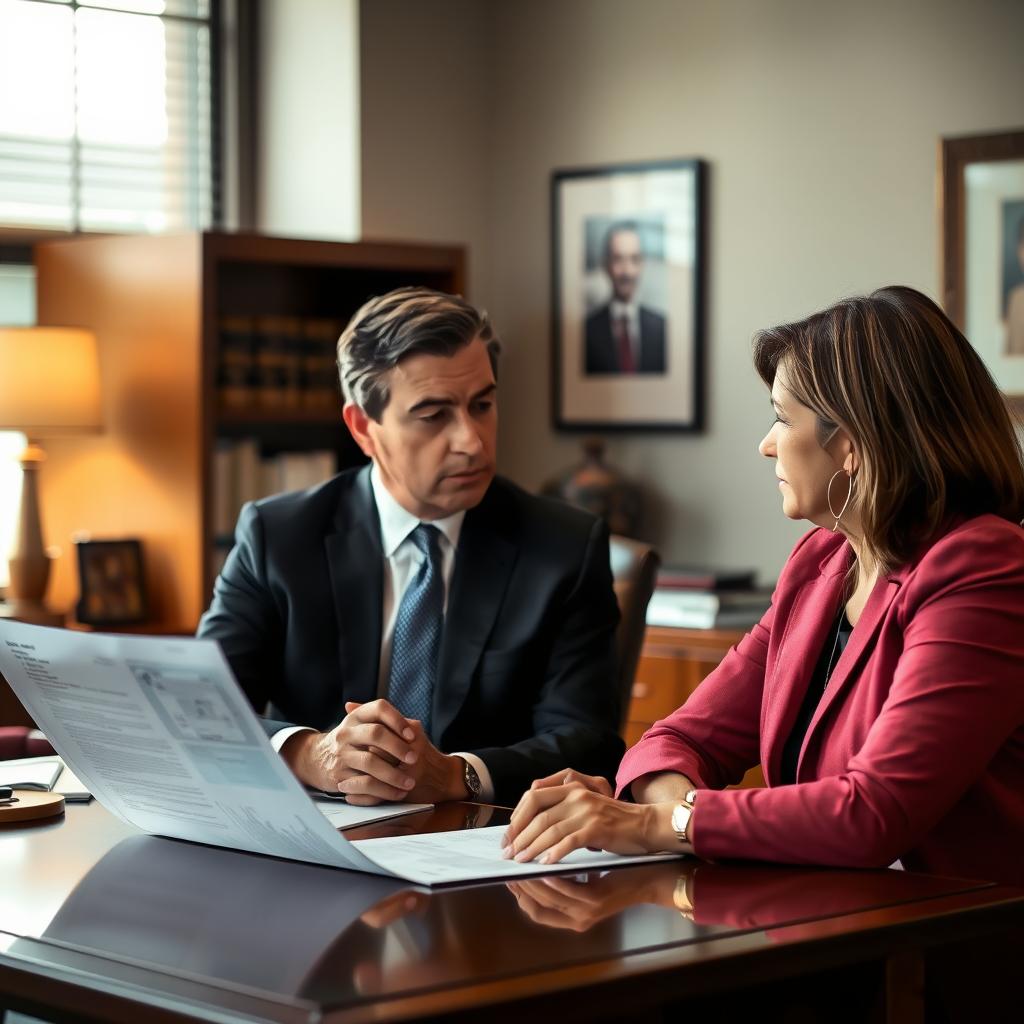
Contract Drafting Lawyer Bloomingdale
A Contract Drafting Lawyer Bloomingdale protects your business and personal agreements under District of Columbia law. Law Offices Of SRIS, P.C. —Advocacy Without Borders. We draft clear, enforceable contracts to prevent disputes and provide strong defense if a breach occurs. Our Bloomingdale Location focuses on local contract law specifics. Secure your agreements with precise legal drafting. (Confirmed by SRIS, P.C.)
Statutory Definition of Contract Law in the District of Columbia
Contract law in the District of Columbia is governed by common law principles and specific statutes, with breach of contract claims actionable in D.C. Superior Court. The foundation for enforceable agreements is established under D.C. Code § 28:2-201, which outlines the requirements for the Statute of Frauds. A valid contract requires an offer, acceptance, consideration, and mutual intent to be bound. Without these elements, an agreement may be void or unenforceable. The maximum penalties for breach are typically measured in monetary damages, not incarceration, but can include specific performance orders. Understanding these definitions is the first job of a Contract Drafting Lawyer Bloomingdale.
District of Columbia contract law blends judicial precedent with codified rules. The D.C. Court of Appeals interprets these principles. Key statutes like the Uniform Commercial Code as adopted by D.C. govern sales of goods. Service contracts and real estate agreements follow separate common law rules. A breach occurs when one party fails to perform a material term without legal excuse. The non-breaching party must then prove damages resulted directly from the failure. Precise drafting by a lawyer anticipates and mitigates these litigation risks.
What constitutes a breach of contract in D.C.?
A breach of contract in D.C. is a failure to perform any material promise without a valid legal defense. The failure can be a complete non-performance or a defective performance. Material terms are those central to the agreement’s purpose. A minor or immaterial breach may not support a lawsuit for full damages. The injured party must show they suffered a quantifiable loss. Proving a breach requires a clear contract and evidence of failure.
What is the statute of limitations for contract disputes in D.C.?
The statute of limitations for most written contract disputes in D.C. is three years from the breach date. This deadline is codified in D.C. Code § 12-301(7). Oral contracts generally have a three-year limit as well. Claims for breach of a sales contract for goods have a four-year limit under the UCC. Missing this deadline typically bars the lawsuit entirely. A Contract Drafting Lawyer Bloomingdale ensures contracts include terms that help define when a breach occurs.
What damages can be recovered for a breach in D.C.?
Recoverable damages for a breach in D.C. aim to place the injured party in the position they would have been in if the contract was performed. This includes compensatory damages for direct losses. Consequential damages may be recovered if they were foreseeable at the contract’s signing. Punitive damages are rarely awarded in pure contract cases. The court may also award attorney’s fees if the contract specifically provides for them. Liquidated damages clauses are enforceable if they are a reasonable estimate of actual loss.
The Insider Procedural Edge in D.C. Superior Court
Contract cases in Bloomingdale are filed at the D.C. Superior Court, Civil Division, located at 500 Indiana Avenue NW, Washington, DC 20001. This court handles all contract dispute and breach of agreement claims for the District. The procedural timeline is dictated by the D.C. Superior Court Rules of Civil Procedure. A complaint must be filed within the applicable statute of limitations. The defendant then has 21 days to file an answer or responsive motion. Discovery and pre-trial motions follow, with many cases taking over a year to reach trial.
The filing fee for a civil complaint is determined by the amount in controversy. Fees can range significantly. Procedural specifics for Bloomingdale are reviewed during a Consultation by appointment at our Bloomingdale Location. The court’s Civil Division has specific judges who hear commercial and contract cases. Local rules require mandatory mediation for many civil disputes before a trial date is set. Understanding these local rules is a critical advantage for a breach of agreement lawyer Bloomingdale.
What is the typical timeline for a contract lawsuit in D.C. Superior Court?
A typical contract lawsuit in D.C. Superior Court can take 12 to 24 months from filing to trial. The initial pleading stage lasts several months. Discovery, including depositions and document requests, often consumes six months or more. The court’s mandatory mediation program adds time but can support settlement. Pre-trial motions and hearings create additional intervals. A skilled lawyer can sometimes expedite the process through strategic motions. Learn more about Virginia legal services.
How are contract cases assigned to judges in D.C.?
Contract cases in D.C. Superior Court are assigned to a judge through a random calendar system. The case is initially assigned to a specific calendar for the Civil Division. A designated judge manages all pre-trial proceedings and motions. Some judges have experience in complex commercial litigation. The assignment is generally random, but high-value cases may be routed to specialized tracks. Local procedural knowledge helps in handling each judge’s preferences.
Penalties & Defense Strategies for Contract Disputes
The most common penalty in a contract dispute is a monetary judgment for compensatory damages awarded to the prevailing party. The court’s goal is financial compensation, not punishment. The table below outlines potential outcomes.
| Offense / Outcome | Penalty / Remedy | Notes |
|---|---|---|
| Breach of Contract | Monetary Damages | Compensatory damages for direct loss. |
| Breach with Bad Faith | Potential for Consequential Damages | Damages must be foreseeable at contract signing. |
| Specific Performance | Court Order to Perform | Rarely granted; used for unique goods/land. |
| Attorney’s Fees | Fee Award to Prevailing Party | Only if contract explicitly allows for it. |
| Liquidated Damages | Pre-set Sum in Contract | Enforced if reasonable forecast of actual harm. |
[Insider Insight] D.C. Superior Court judges expect clear contract language and evidence of actual damages. They often enforce mandatory arbitration or mediation clauses. Local prosecutors are not involved in civil contract disputes. The court looks favorably on parties who attempt good-faith settlement before trial. A strong defense often focuses on the lack of a material breach or failure to mitigate damages. A contract dispute resolution lawyer Bloomingdale builds defenses around the agreement’s precise terms.
Can I be forced to pay the other side’s legal fees?
You can be forced to pay the other side’s legal fees in D.C. only if your contract includes a specific fee-shifting provision. The American Rule requires each party to pay its own attorney fees. A court will not award fees without a contractual or statutory basis. Some D.C. consumer protection statutes allow for fee recovery. A well-drafted contract by a lawyer can control this risk. Always review the attorney’s fees clause before signing.
What is the defense of “impossibility of performance”?
The defense of “impossibility of performance” in D.C. argues an unforeseen event made contract performance literally impossible. The event must not have been foreseeable when the contract was made. Mere difficulty or increased expense does not qualify. The doctrine is narrowly applied by D.C. courts. It may discharge a party’s duty to perform. Proving impossibility requires strong evidence of the unforeseen, external event.
Why Hire SRIS, P.C. for Your Contract Matter
Our lead attorney for commercial matters has over a decade of experience litigating contract cases in D.C. Superior Court. This attorney’s background includes drafting complex agreements and defending against breach claims. SRIS, P.C. has achieved favorable outcomes for clients in Bloomingdale and across the District. We focus on preventing disputes through careful drafting. When litigation is necessary, we advocate aggressively for your interests. Our approach is direct and strategic, not flowery.
SRIS, P.C.—Advocacy Without Borders. Our team understands the local judicial area in Washington, D.C. We draft agreements that anticipate and resolve potential conflicts. We also provide forceful litigation defense when a dispute arises. Our Bloomingdale Location is staffed to handle your business and personal contract needs. We measure success by securing your objectives and protecting your assets. You need a lawyer who knows the law and the local courtrooms. Learn more about criminal defense representation.
Localized FAQs for Bloomingdale Contract Issues
What should I look for in a business contract in D.C.?
Look for clear definitions, precise performance terms, dispute resolution clauses, and governing D.C. law. Ensure it addresses payment schedules, termination rights, and liability limits. A Contract Drafting Lawyer Bloomingdale can identify missing protections.
How much does it cost to hire a contract lawyer in Bloomingdale?
Costs vary based on complexity and whether the work is drafting or litigation. Many lawyers charge hourly rates or flat fees for drafting. A Consultation by appointment at SRIS, P.C. provides a specific cost estimate.
Can I sue for a verbal agreement in Washington, D.C.?
You can sue on a verbal agreement if you can prove its terms and that it is not barred by the Statute of Frauds. These cases are harder to win without written evidence. Enlist a lawyer to evaluate your claim’s strength.
What is the difference between a breach and a termination of a contract?
A breach is a failure to perform a contract term. Termination is the ending of a contract by a right granted within the agreement itself or by mutual consent. A breach often gives rise to a right to terminate.
Should my D.C. contract have an arbitration clause?
An arbitration clause can mandate private dispute resolution instead of court. It may be faster and less formal but limits appeals. Discuss the pros and cons with a contract law attorney before including one.
Proximity, CTA & Disclaimer
Our Bloomingdale Location serves clients throughout the District of Columbia. We are accessible for meetings to discuss your contract drafting or dispute resolution needs. Consultation by appointment. Call 24/7. Our team is ready to review your agreement or defend your position in court. Do not leave your contractual rights to chance. Contact SRIS, P.C. for direct legal advocacy focused on your results. The specific address for our Washington, D.C. operations is confirmed when you schedule your appointment.
Past results do not predict future outcomes.