
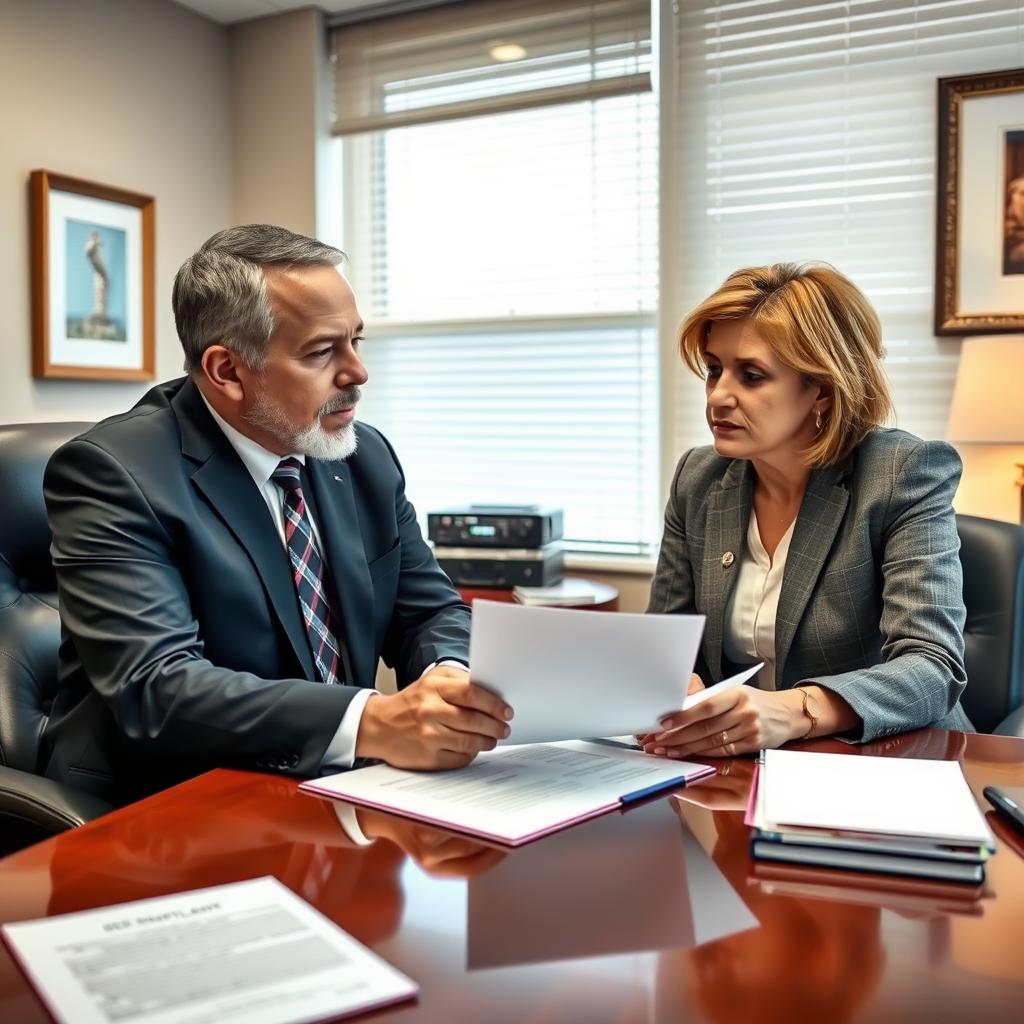
B2B Contract Lawyer Niagara County
You need a B2B contract lawyer in Niagara County to enforce agreements and resolve disputes under New York law. Law Offices Of SRIS, P.C.—Advocacy Without Borders. provides direct counsel for business contract litigation. We handle breach claims, partnership disputes, and commercial collection actions in Niagara County courts. Protect your business interests with experienced legal representation. (Confirmed by SRIS, P.C.)
Statutory Definition of Contract Breach in New York
New York law governs B2B contracts through statutory and common law principles, not a single criminal code. A breach of contract occurs when one party fails to perform its obligations under a valid agreement. The core statute is Article 2 of the New York Uniform Commercial Code (UCC) for goods sales. For services and other agreements, New York common law applies. The remedy is typically monetary damages, not criminal penalties. The goal is to place the injured party in the position they would have been in had the contract been performed.
N.Y. U.C.C. Law § 2-711 — Buyer’s Remedies — Includes cover, damages, and specific performance. This statute provides the framework for a buyer’s rights when a seller breaches a contract for the sale of goods. It allows the buyer to “cover” by purchasing substitute goods. The buyer can then sue for the difference in cost. It also permits recovery of consequential damages. Specific performance may be ordered where goods are unique.
For non-UCC contracts, New York courts rely on established common law. The elements of a breach of contract claim are: (1) existence of a valid contract, (2) plaintiff’s performance, (3) defendant’s failure to perform, and (4) resulting damages. Written contracts are strongly favored. Oral agreements can be enforceable but are harder to prove. The statute of limitations for breach of a written contract in New York is six years. For oral contracts, it is six years from the breach. Niagara County courts apply these state-wide rules.
What constitutes a material breach in Niagara County?
A material breach is a failure so significant it defeats the contract’s core purpose. New York courts examine the extent to which the injured party is deprived of the benefit they reasonably expected. They also consider the adequacy of compensation for the breach. The likelihood the breaching party will cure the failure is a factor. The willful, negligent, or innocent behavior of the breaching party is considered. A material breach excuses the non-breaching party from their own performance. It also allows them to sue for total damages. A minor or partial breach may only allow a claim for the value of the unperformed part.
Are verbal B2B agreements enforceable in New York?
Verbal B2B agreements can be enforceable in New York but face significant proof challenges. The statute of frauds requires certain contracts to be in writing. Agreements that cannot be performed within one year must be written. Contracts for the sale of goods for $500 or more require a writing. A written memorandum signed by the party to be charged can satisfy this. Even without a writing, partial performance or promissory estoppel may enforce an oral deal. Proving the exact terms of a verbal contract is difficult. Witness testimony and course of dealing evidence become critical. A New York business contract lawyer can assess enforceability.
What is the economic loss rule in contract disputes?
The economic loss rule prohibits tort recovery for purely contractual economic losses. In New York, a party cannot sue in negligence for losses that are solely financial. The rule mandates that contract law provides the exclusive remedy. This prevents turning every breach of contract into a tort claim. Exceptions exist for fraud, personal injury, or damage to other property. The rule is strictly applied in commercial contexts between sophisticated parties. It highlights the importance of well-drafted contract terms. Your B2B contract lawyer in Niagara County must plead claims correctly to avoid dismissal.
The Insider Procedural Edge in Niagara County Courts
B2B contract cases in Niagara County are filed in the New York State Supreme Court, 8th Judicial District. The court is located at 775 Third Street, Niagara Falls, NY 14301. This is the court of general jurisdiction for significant commercial disputes. Cases with lower monetary claims may start in Niagara County Court. The Supreme Court handles matters where the amount in controversy exceeds the lower court limits. Procedural rules are strict under the New York Civil Practice Law and Rules (CPLR). Filing a summons and complaint initiates the lawsuit. The defendant then has a set time to answer or move against the complaint.
Procedural specifics for Niagara County are reviewed during a Consultation by appointment at our Niagara County Location. The local court rules and judges’ individual practices influence case strategy. Some judges favor early settlement conferences. Others may push for quick discovery deadlines. Knowing the assigned judge’s tendencies is a tactical advantage. Filing fees vary based on the relief sought and the court. The timeline from filing to trial can span many months or over a year. Pre-trial motions to dismiss or for summary judgment are common. Discovery involves document demands, interrogatories, and depositions. A commercial litigation attorney handles these steps efficiently.
What is the typical timeline for a contract lawsuit?
A contract lawsuit in Niagara County can take 12 to 24 months from filing to trial. The defendant has 20-30 days to respond to the complaint after service. The discovery phase often consumes 6 to 12 months. This includes exchanging documents and taking depositions. Motions practice can add several months. Court-ordered mediation or settlement conferences may occur. Trial dates are set by the court’s calendar availability. Appeals can extend the process by years. Most cases settle before reaching a verdict. An experienced lawyer can sometimes accelerate the process through strategic motions.
How are court fees calculated for a breach of contract case?
Court fees in New York are based on the type of relief sought and the amount claimed. The Index Number fee to start a Supreme Court case is a base cost. Additional fees apply for motions, note of issue filing, and jury demands. Fees are mandated by state law and are non-negotiable. They are paid to the County Clerk. The total cost depends on the procedural complexity of the case. Your attorney will provide a clear estimate of these mandatory costs. These are separate from legal fees for representation.
Penalties & Defense Strategies for Contract Breach
The most common remedy for breach of contract is an award of monetary damages. The goal is compensatory, not punitive, under New York law. Courts aim to make the non-breaching party whole. Damages are calculated based on the loss of the bargain. Consequential damages may be awarded if they were foreseeable. Punitive damages are rarely available in pure contract cases. The court may also order specific performance for unique goods or land. Rescission and restitution are alternative remedies. Attorney’s fees are generally not recoverable unless the contract specifically provides for them.
| Offense / Claim | Typical Penalty / Remedy | Legal Notes |
|---|---|---|
| Breach of Contract (General) | Compensatory Damages | Goal is “benefit of the bargain.” Covers direct losses. |
| Breach of Sale of Goods (UCC) | Difference + Consequential Damages | Under N.Y. U.C.C. § 2-711, 2-712, 2-715. |
| Failure to Pay for Services | Unpaid Invoice Amount + Interest | Statutory interest is 9% per annum in NY. |
| Material Breach | Total Damages + Excused from Performance | Non-breaching party can terminate the contract. |
| Bad Faith Breach | Potential for Consequential Damages | Requires proof of special, foreseeable losses. |
[Insider Insight] Niagara County judges and prosecutors in related fraud matters focus on the clarity of contract terms. Vague language invites dispute. Local courts expect businesses to have written agreements. They scrutinize claims of oral modifications. Defenses like impossibility of performance or frustration of purpose are examined closely. Prompt action after discovering a breach is critical. Delay can be used against you. Having a firm with broad litigation experience is an asset, even in civil matters.
Can I be forced to pay the other side’s legal fees?
In New York, each party typically pays its own attorney’s fees unless a contract or statute says otherwise. Your B2B contract must have a clear, mutual attorney’s fee provision. The clause must state the “prevailing party” is entitled to fees. Courts will enforce a well-drafted fee-shifting clause. Some specific statutes also allow fee recovery. Without such a provision, fee awards are exceptional. This makes contract drafting a critical first line of defense. Never sign a contract without understanding the fee clause.
What are the defenses to a breach of contract claim?
Common defenses include lack of a valid contract, failure of a condition precedent, and statute of limitations. Impossibility of performance due to an unforeseen event can be a defense. Fraud, duress, or mistake in the formation may void the contract. The doctrine of “unclean hands” may bar a claim if the plaintiff acted wrongly. Waiver or estoppel can defeat a claim if the plaintiff led you to believe they wouldn’t enforce a term. A successful defense can result in full dismissal of the claim. An early case evaluation by counsel is essential.
Why Hire SRIS, P.C. for Your Niagara County Contract Dispute
SRIS, P.C. attorneys bring direct litigation experience from courts across New York State. Our firm handles the pressure of commercial disputes. We prepare every case as if it is going to trial. This posture strengthens your position in negotiations. We analyze contracts for enforceability and risk before litigation starts. Our goal is to protect your business operations and financial interests. We communicate in clear terms about strategy and cost. You will know the strengths and weaknesses of your case.
Attorney Profile: Our Niagara County team includes attorneys experienced in New York civil procedure and contract law. While specific attorney mapping data for this locality is not in the current database, our firm deploys counsel with relevant commercial litigation backgrounds. We assign attorneys based on case complexity and court familiarity. All counsel operate under the SRIS, P.C. standard of aggressive, client-focused representation.
We understand that business disputes need practical solutions. Sometimes that means a forceful litigation stance. Other times, it means negotiating a strategic settlement. We assess the cost-benefit analysis of litigation for your specific situation. Our experienced legal team works to resolve matters efficiently. We are familiar with the Niagara County Supreme Court and its procedures. Your case receives direct attention from a practicing attorney.
Localized FAQs for Niagara County Contract Issues
What court hears B2B contract cases in Niagara County?
The New York State Supreme Court, 8th Judicial District, in Niagara Falls hears major B2B contract cases. Lower-value claims may start in Niagara County Court. The correct venue depends on the damages sought and the nature of the claim.
How long do I have to sue for breach of contract in New York?
You have six years from the breach to sue on a written contract in New York. The limit is six years for oral contracts from the breach date. Certain claims may have shorter statutory periods.
Can I collect interest on an unpaid invoice from a Niagara County business?
Yes, New York law allows 9% statutory interest per annum on unpaid contractual debts. Your contract can specify a different interest rate. Interest accrues from the date payment was due.
What is the difference between arbitration and court litigation?
Arbitration is private, often faster, with a binding decision from an arbitrator. Court litigation is public, follows strict rules, and ends with a judge or jury verdict. Your contract may mandate one method.
Should I send a demand letter before filing a lawsuit?
A well-drafted demand letter from a lawyer often prompts settlement. It fulfills some contractual notice requirements. It also establishes a clear record of your attempt to resolve the matter before suit.
Proximity, CTA & Disclaimer
SRIS, P.C. serves clients throughout Niagara County, New York. Our attorneys are familiar with the local court at 775 Third Street in Niagara Falls. We provide representation for businesses in Niagara Falls, Lockport, North Tonawanda, and surrounding towns. Consultation by appointment. Call 24/7 to discuss your B2B contract dispute. We will review your agreement and outline a clear path forward. Do not let a contract issue disrupt your business operations. Proactive legal advice can prevent costly litigation. Contact us to schedule a case review with a B2B contract lawyer Niagara County clients rely on for direct counsel.
Law Offices Of SRIS, P.C. —Advocacy Without Borders.
Consultation by appointment. Call [phone]. 24/7.
Past results do not predict future outcomes.