
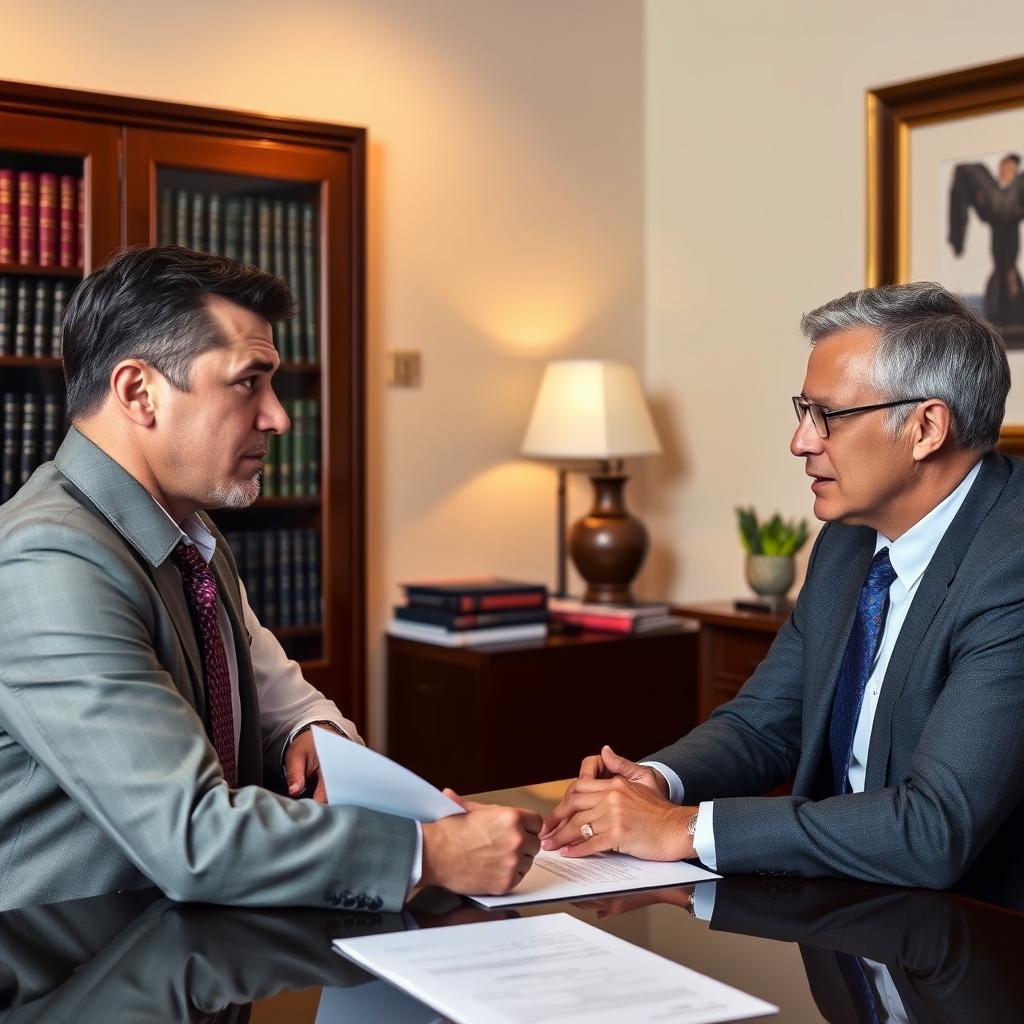
Contract Negotiation Lawyer Brooklyn
A Contract Negotiation Lawyer Brooklyn protects your business interests in any deal. Law Offices Of SRIS, P.C. —Advocacy Without Borders. We draft, review, and enforce agreements under New York law. Our Brooklyn Location provides direct counsel for commercial leases, vendor contracts, and partnership agreements. We secure favorable terms and mitigate legal risk from the start. (Confirmed by SRIS, P.C.)
Statutory Definition of Contract Law in New York
New York contract law is primarily governed by common law and specific statutes like the General Obligations Law. A contract requires an offer, acceptance, consideration, and mutual intent to be bound. New York courts enforce the plain meaning of written terms. Disputes often hinge on breach, performance, and damages calculations. The statute of limitations for breach of contract is six years in New York. This timeframe is critical for filing lawsuits in Brooklyn courts. Specific performance or monetary damages are common remedies sought. Understanding these principles is the foundation of effective contract negotiation.
N.Y. Gen. Oblig. Law § 5-701 — Statute of Frauds — Contract Unenforceable. Certain contracts must be in writing to be enforceable in New York. This includes agreements for the sale of real estate, like many Brooklyn properties. Contracts that cannot be performed within one year also fall under this statute. commitments and promises to answer for another’s debt require a written record. Leases for longer than one year for commercial spaces in Brooklyn must be written. Failure to comply renders the oral agreement unenforceable in court. A Contract Negotiation Lawyer Brooklyn ensures all necessary formalities are met.
What are the key elements of an enforceable contract in Brooklyn?
An enforceable contract requires offer, acceptance, consideration, capacity, and legality. The offer must be clear, definite, and communicated to the other party. Acceptance must be unconditional and mirror the offer’s terms. Consideration is the value exchanged, which can be money, services, or a promise. All parties must have the legal capacity to enter the agreement. The contract’s purpose must be legal under New York and federal law. A Contract Negotiation Lawyer Brooklyn drafts terms that satisfy all these elements.
How does New York’s statute of frauds impact Brooklyn business deals?
New York’s statute of frauds voids certain oral agreements in Brooklyn. Real estate transactions, including commercial leases, require a written contract. Agreements not performable within one year must be documented in writing. A promise to pay the debt of another person needs a written record. Sales of goods over $500 require some written confirmation under the UCC. This law prevents disputes over the existence or terms of critical agreements. Your lawyer ensures compliance to avoid unenforceability claims later.
What is the standard statute of limitations for contract disputes?
The standard statute of limitations for contract disputes in New York is six years. This clock starts ticking from the date of the alleged breach of contract. For written contracts, the six-year period is standard under New York law. For oral contracts, the limit is also six years in most cases. Certain claims, like those under the Uniform Commercial Code, may have shorter limits. Missing this deadline typically bars any lawsuit to recover damages. Immediate legal review after a suspected breach is essential for Brooklyn businesses.
The Insider Procedural Edge in Brooklyn Courts
Contract disputes in Brooklyn are heard in the New York State Supreme Court, Kings County. The court is located at 360 Adams Street, Brooklyn, NY 11201. This court handles commercial claims exceeding the monetary limits of lower courts. Procedural rules are strict, and judges expect precise compliance. Filing a commercial complaint requires adherence to the CPLR and court-specific rules. Timelines for answering complaints and motion practice are non-negotiable. Local rules may dictate specific filing procedures and conference requirements. Knowing these details prevents procedural missteps that can jeopardize a case. Learn more about Virginia legal services.
What is the primary court for commercial contract lawsuits in Brooklyn?
The primary court for commercial contract lawsuits is the New York Supreme Court, Kings County. This court has jurisdiction over most significant business disputes in Brooklyn. It handles cases where the amount in controversy exceeds $25,000. The Commercial Division within this court manages complex business litigation. Judges in this division are familiar with intricate contract and corporate law. Filing here requires specific forms and adherence to commercial part rules. Your attorney must file in the correct venue to avoid dismissal or transfer delays.
What are the typical filing fees and initial costs?
Filing fees for a commercial lawsuit in Kings County Supreme Court start at several hundred dollars. The exact fee depends on the type of relief sought and the monetary amount. Index numbers and motion fees add to the initial cost of litigation. Serving legal papers on the defendant involves additional process server fees. Retaining experienced witnesses for contract interpretation may be necessary. These costs are also to legal fees for drafting pleadings and motions. A detailed cost assessment is part of any initial case strategy with your lawyer.
What is the expected timeline from filing to resolution?
A direct contract case can take 12 to 24 months to reach trial in Brooklyn. The timeline begins with filing a summons and complaint with the court. The defendant then has a set period to answer or move against the complaint. Discovery—exchanging documents and taking depositions—can last many months. Court-ordered settlement conferences are standard before a trial date is set. Motions for summary judgment can shorten or end the case earlier. Complex cases with multiple parties or claims will take significantly longer.
Penalties & Defense Strategies for Contract Breach
The most common penalty for contract breach is an award of monetary damages. Courts aim to place the injured party in the position they would have been in had the contract been performed. Damages are calculated based on proven losses, not speculation. In some cases, a court may order specific performance of the contract terms. This remedy is common in real estate deals where the property is unique. Courts may also award consequential damages if they were foreseeable at contract signing. A strong defense often challenges the existence of a breach or the calculation of loss.
| Offense / Breach Type | Typical Penalty / Remedy | Notes |
|---|---|---|
| Material Breach of Payment | Compensatory Damages + Interest | Damages cover the unpaid amount plus statutory interest from due date. |
| Failure to Deliver Goods/Services | Cost of Cover + Consequential Damages | Plaintiff can recover cost to obtain substitute performance from another source. |
| Breach of Real Estate Contract | Specific Performance or Down Payment Forfeiture | Court may force sale or award seller the buyer’s deposit as liquidated damages. |
| Breach of Confidentiality Clause | Injunction + Monetary Damages | Court order to stop disclosure plus compensation for any harm caused. |
| Anticipatory Repudiation | Immediate Right to Sue for Damages | If one party clearly states they will not perform, the other can sue immediately. |
[Insider Insight] Kings County judges often scrutinize liquidated damages clauses. They will not enforce clauses deemed punitive rather than a reasonable estimate of actual loss. Brooklyn prosecutors in commercial matters focus on clear evidence of intent and calculable harm. Early negotiation or mediation is frequently encouraged by the court to conserve resources. Learn more about criminal defense representation.
What are the differences between compensatory and consequential damages?
Compensatory damages directly cover losses from the breached contract itself. This includes the cost of goods not delivered or services not performed. Consequential damages cover indirect losses flowing from the breach. These losses must have been foreseeable to both parties at the time of contracting. Examples include lost profits from a business deal that collapsed. Proving consequential damages requires strong evidence of causation and foreseeability. A defense strategy often attacks the link between the breach and these secondary losses.
Can a breach of contract lead to criminal charges in Brooklyn?
A simple breach of contract is a civil matter, not a criminal one in Brooklyn. Criminal charges require proof of fraud, theft, or intentional deception beyond a broken promise. If a party never intended to fulfill the contract, it may constitute larceny by false promise. Writing bad checks or fraudulent inducement can also trigger criminal liability. The line between civil breach and criminal fraud is defined by fraudulent intent. District attorneys require clear evidence of criminal intent to file charges. Most contract disputes remain firmly in the civil court system.
How can a good faith dispute be used as a defense?
A good faith dispute over contract terms is a valid defense to a breach claim. If a party reasonably interprets a contract clause differently, it may not be a breach. This defense argues the party believed their actions were permitted by the agreement. It negates the “willful” or “intentional” element often alleged by plaintiffs. Evidence includes communications showing the honest interpretation of ambiguous terms. This defense can prevent an award of punitive damages or attorney’s fees. It often leads the court to focus on contract interpretation rather than fault.
Why Hire SRIS, P.C. for Brooklyn Contract Negotiation
Our lead attorney has over fifteen years of experience negotiating complex commercial agreements in New York. We focus on preventing disputes through clear, enforceable contract language. SRIS, P.C. understands the specific commercial area of Brooklyn, from real estate to tech startups. We draft agreements that protect your interests and withstand legal challenge. Our approach is proactive, identifying potential risks before they become costly problems. We represent clients in negotiations, mediation, and if necessary, litigation in Kings County Supreme Court. Your business deserves counsel that knows the law and the local court.
Primary Attorney: Our seasoned contract lawyer brings direct experience with Brooklyn’s commercial sectors. This attorney has negotiated agreements for manufacturing, distribution, and commercial leasing clients. Familiarity with Kings County court procedures ensures efficient and strategic representation. We prepare every case with the assumption it will go to trial. This thoroughness often leads to stronger settlement positions. We provide the assertive advocacy your business needs in high-stakes deals. Learn more about DUI defense services.
What specific experience does your firm have with Brooklyn contracts?
SRIS, P.C. has handled contract matters for Brooklyn-based businesses across industries. We have negotiated commercial leases for retail spaces in neighborhoods like Williamsburg and DUMBO. Our work includes vendor agreements for local manufacturers and service providers. We draft partnership agreements for Brooklyn startups and professional practices. We have litigated breach of contract cases in the Kings County Commercial Division. This localized experience informs our practical advice on standard local terms and practices. We know what Brooklyn judges expect to see in a well-drafted agreement.
How does your firm approach the initial contract review?
We conduct a line-by-line analysis of every contract clause for legal risk. We identify ambiguous language, one-sided terms, and missing essential provisions. Our review assesses the agreement under applicable New York statutes and case law. We provide a clear, written summary of concerns and recommended revisions. We then guide you through the negotiation process to improve the terms. Our goal is to secure a fair, balanced, and enforceable agreement. This initial review is the most cost-effective legal service for any business.
Localized FAQs for Contract Negotiation in Brooklyn
What should I look for in a commercial lease for a Brooklyn property?
Scrutinize the rent escalation clauses, maintenance responsibilities, and subletting rights. Ensure compliance with New York’s warranty of habitability and local zoning laws. Clarify who pays for property tax increases and capital improvements. Negotiate a clear cap on operating expense pass-throughs to protect your budget.
How can I protect my intellectual property in a contractor agreement?
Include a strong “work for hire” clause stating you own all created IP. Define confidential information broadly and require its return post-contract. Specify that background IP remains the property of its original owner. Require contractor cooperation in securing patents or copyrights for the work product.
Is an email exchange enough to form a binding contract in New York?
Yes, emails can form a binding contract if they show offer, acceptance, and terms. New York courts enforce emails that contain all essential contract elements. However, the Statute of Frauds may require a more formal document for certain deals. Always clarify in emails if you do not intend to be legally bound. Learn more about our experienced legal team.
What is the difference between an independent contractor and an employee agreement?
Misclassification risks severe penalties from New York State. Contractor agreements avoid benefits, taxes, and control terms indicative of employment. The agreement must affirm the contractor’s independence and control over their work method. Include clauses that reflect the IRS and NY DOL guidelines for independent contractors.
Can I sue for breach of contract without a written document?
You can sue on an oral contract if you can prove its terms and existence. The burden of proof is higher without a written record. Witness testimony, emails, and partial performance can serve as evidence. The Statute of Frauds bars lawsuits on certain oral agreements, like real estate sales.
Proximity, CTA & Disclaimer
Our Brooklyn Location serves clients throughout Kings County and the greater New York City area. We are accessible for businesses in Downtown Brooklyn, Williamsburg, Park Slope, and beyond. Consultation by appointment. Call 24/7 to schedule a case review with a contract negotiation lawyer. We provide direct, strategic legal counsel for your business agreements and disputes. Our focus is on achieving your commercial objectives with clarity and legal protection.
Law Offices Of SRIS, P.C.—Advocacy Without Borders.
Past results do not predict future outcomes.