
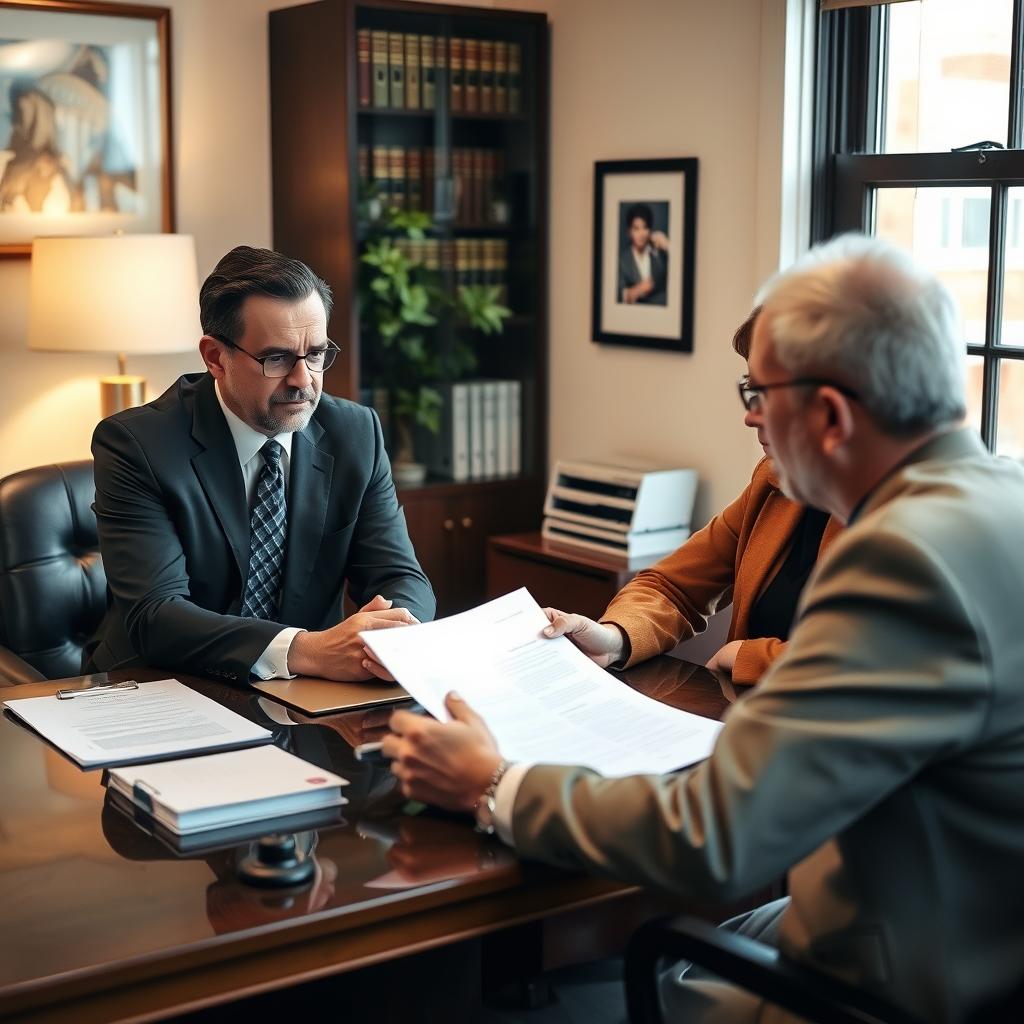
Mechanic’s Lien Lawyer Adams Morgan, DC
You finished the electrical work on a four‑story row house renovation in Adams Morgan three weeks ago. The general contractor promised payment in full by the end of the month. Now the check hasn’t arrived, and your calls go unanswered. You provided labor and materials that visibly improved the property — but the owner says they paid the GC, and the GC isn’t returning your calls. A mechanic’s lien is a statutory tool that can secure your right to be paid for the work you performed. Law Offices Of SRIS, P.C. represents contractors, subcontractors, and material suppliers who need to record and enforce mechanic’s liens in the District of Columbia. Call (888) 437‑7747 to request a consultation about your situation in Adams Morgan. Law Offices Of SRIS, P.C. — Advocacy Without Borders.
Mechanic’s Liens in Adams Morgan, DC
Adams Morgan is one of the District’s most dynamic neighborhoods, with a dense mix of early‑20th‑century row houses, apartment buildings, and commercial storefronts that constantly undergo renovation. When a property improvement project isn’t paid for, a mechanic’s lien attaches to the improved real estate itself. The lien is filed in the Civil Division of the D.C. Superior Court, located at 500 Indiana Avenue NW, roughly three miles from our Arlington location. The court serves the entire District, so a lien recorded in Adams Morgan is litigated under the same D.C. Code provisions that apply citywide.
Because the D.C. Mechanic’s lien statute is technical and deadline‑driven, having experienced counsel who practices in the D.C. Superior Court can mean the difference between recovering what you are owed and losing your lien rights. Mr. Sris and his Of Counsel appear regularly before the Civil Division on behalf of lien claimants. They understand the procedural steps — from pre‑lien notice through enforcement — and can guide you through each stage.
How a D.C. Mechanic’s Lien Works
Under D.C. Code Title 38, a contractor, subcontractor, or material supplier who furnishes labor or materials for the improvement of real property may claim a lien against the property for the value of the work performed or materials supplied. The lien acts as a security interest; if the claim is not paid, the lienholder can ask the court to order a sale of the property to satisfy the debt.
To preserve the lien, the claimant must give proper notice to the owner and record the lien with the Recorder of Deeds within the timeframes set by statute. A mechanic’s lien is not self‑enforcing. If the owner disputes the lien or fails to pay, the lienholder must file a complaint in the Civil Division to enforce it. The process involves discovery, potential mediation, and, if necessary, a bench or jury trial. Throughout the litigation, Mr. Sris and his Of Counsel work to achieve a favorable outcome — whether through negotiated payment, a voluntary release, or a judgment enforcing the lien.
What a Mechanic’s Lien Can Mean for Your Business
A properly perfected mechanic’s lien can convert an unpaid invoice into a secured claim against real estate. In some cases, the mere filing of a lien prompts the owner or general contractor to release payment to avoid a cloud on the title. If the matter proceeds to enforcement, the court may order the property sold and the proceeds applied to the debt.
However, the lien process is not a guarantee of immediate payment. Owners may challenge the validity of the lien on procedural or substantive grounds. The amount of the lien must reflect the reasonable value of the labor and materials actually furnished. An attorney who practices regularly in the D.C. Superior Court can evaluate the strength of your lien and advise on the trusted strategy, whether that is direct negotiation, mediation, or full litigation.
Court Process for Enforcing a Mechanic’s Lien in D.C.
Mechanic’s lien cases are heard in the Civil Division of the D.C. Superior Court. After the lien is recorded, the claimant initiates an enforcement action by filing a complaint. The court may schedule a status conference and, in many cases, refer the parties to court‑annexed mediation. Discovery may include the exchange of contracts, invoices, change orders, and correspondence related to the project.
If the matter does not settle, it proceeds to trial. The judge — or a jury, if one is requested — determines whether the lien is valid and, if so, the amount due. The timeline for resolving a mechanic’s lien case varies depending on the court’s calendar and the complexity of the underlying construction dispute. Mr. Sris and his Of Counsel manage each step with attention to the procedural requirements unique to D.C. Law.
About Mr. Sris and His Of Counsel Team
Mr. Sris, Owner and Founder of Law Offices Of SRIS, P.C., has practiced in the District of Columbia, Virginia, Maryland, New Jersey, and New York since 1997. He is a former prosecutor whose background in accounting and information systems is particularly useful in contract and construction‑related disputes, where financial records are central to proving the value of labor and materials. Mr. Sris testified before the Virginia House Courts of Justice Committee in support of 2019 HB 635 (chief patron Del. David Bulova).
Mr. Sris and his Of Counsel bring over 120 years of combined legal experience and have achieved 4,739+ documented firm-wide results in contract and lien matters. Results may vary. Every attorney on the team has well over a decade of practice experience. Together they represent lien claimants across the District’s neighborhoods, including Adams Morgan, Dupont Circle, Georgetown, Capitol Hill, and Shaw.
Frequently Asked Questions
What is a mechanic’s lien in Washington, D.C.?
A mechanic’s lien is a legal claim against real property that secures payment for labor or materials furnished to improve the property. Under D.C. Code Title 38, it can be recorded by contractors, subcontractors, or suppliers who have not been paid. The lien attaches to the property itself, giving the claimant leverage to obtain payment. If the owner does not satisfy the debt, the lienholder may seek a court‑ordered sale of the property.
Who can file a mechanic’s lien in Adams Morgan?
Any person who furnishes labor or material for the erection, alteration, or repair of a building or structure in the District of Columbia may claim a mechanic’s lien. This includes general contractors, specialty trades (plumbing, electrical, HVAC), and material suppliers. The lien must relate to work performed on a specific property in Adams Morgan or elsewhere in the District.
How long do I have to file a mechanic’s lien in D.C.?
The deadlines for giving notice and recording a mechanic’s lien are set by D.C. Law and are strictly enforced. Missing a deadline can permanently extinguish your lien rights. Because the time periods begin to run from completion of the work or last furnishing of materials, it is important to consult an attorney promptly after a payment issue arises. For guidance, contact Law Offices Of SRIS, P.C. at (888) 437‑7747.
What happens after I record a mechanic’s lien?
Recording the lien creates a cloud on the property’s title, which often prompts the owner to resolve the debt. If payment is still not made, the lienholder must file an enforcement lawsuit in D.C. Superior Court. The court may order mediation before trial. A successful enforcement action can lead to a judicial sale of the property and payment of the lien from the proceeds.
Can a property owner challenge a mechanic’s lien?
Yes, an owner can challenge the lien on grounds such as defective notice, incorrect work descriptions, or lack of proper licensing. The owner may also argue that the claimed amount exceeds the value of the work actually performed. An attorney can evaluate the strength of your lien, correct any procedural defects, and defend against the owner’s challenge in court.
Do I need a lawyer to file a mechanic’s lien?
While you are not legally required to retain a lawyer, the complex notice and recording requirements make legal assistance highly advisable. Errors in the lien document or failure to meet statutory deadlines can result in the lien being declared invalid. Mr. Sris and his Of Counsel handle mechanic’s lien matters from initial filing through enforcement and can ensure compliance with D.C. Law.
How much does a mechanic’s lien lawyer cost?
Legal fees vary depending on the complexity of the lien, the amount in dispute, and whether the matter can be resolved without litigation. Law Offices Of SRIS, P.C. offers consultation by appointment so you can discuss the specifics of your case and receive a clear explanation of potential costs. Call (888) 437‑7747 to schedule a consultation.
What if the general contractor filed a lien but hasn’t paid me as a subcontractor?
In D.C., a subcontractor who has not been paid can file their own mechanic’s lien directly against the property. You must give notice to the owner and the general contractor within the statutory period. Even if the GC recorded a lien, it does not automatically protect your rights. Contact an attorney immediately to preserve your claim.
Where are mechanic’s lien cases heard in the District of Columbia?
Mechanic’s lien enforcement actions are filed in the Civil Division of the D.C. Superior Court at 500 Indiana Avenue NW in Washington, D.C. The court is accessible by Metro (Judiciary Square station on the Red Line). Cases are assigned to a judge who handles all pretrial proceedings, mediation, and trial if necessary.
What is the difference between a mechanic’s lien and a breach‑of‑contract lawsuit?
A mechanic’s lien is a remedy that attaches to the property; a breach‑of‑contract lawsuit seeks a money judgment against the party who failed to pay. In many construction cases, both remedies are pursued simultaneously. The lien secures the debt against the real estate, while the contract claim can reach the general contractor’s or owner’s other assets. An attorney can advise which approach best fits your situation.
Explore related topics:
Contract Lawyer Adams Morgan, DC ·
Construction Contract Lawyer Washington, DC ·
Breach of Contract Lawyer Washington, DC ·
Business Contract Lawyer Washington, DC
Primary sources:
D.C. Code Title 38 — Mechanic’s Liens ·
D.C. Superior Court — Civil Division
Attorney advertising. Prior results do not guarantee a similar outcome. Results may vary.
Case results depend on a variety of factors unique to each case.